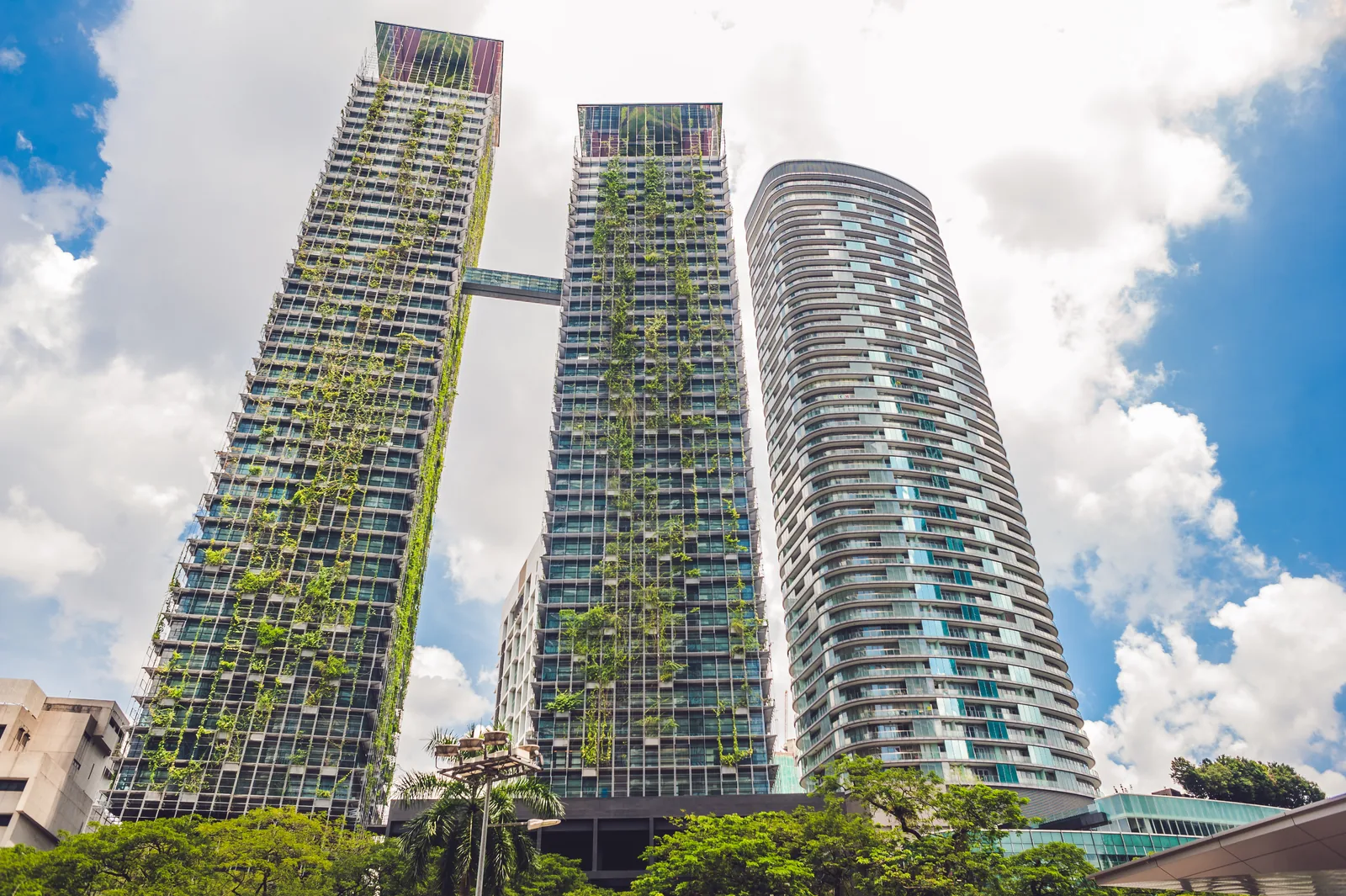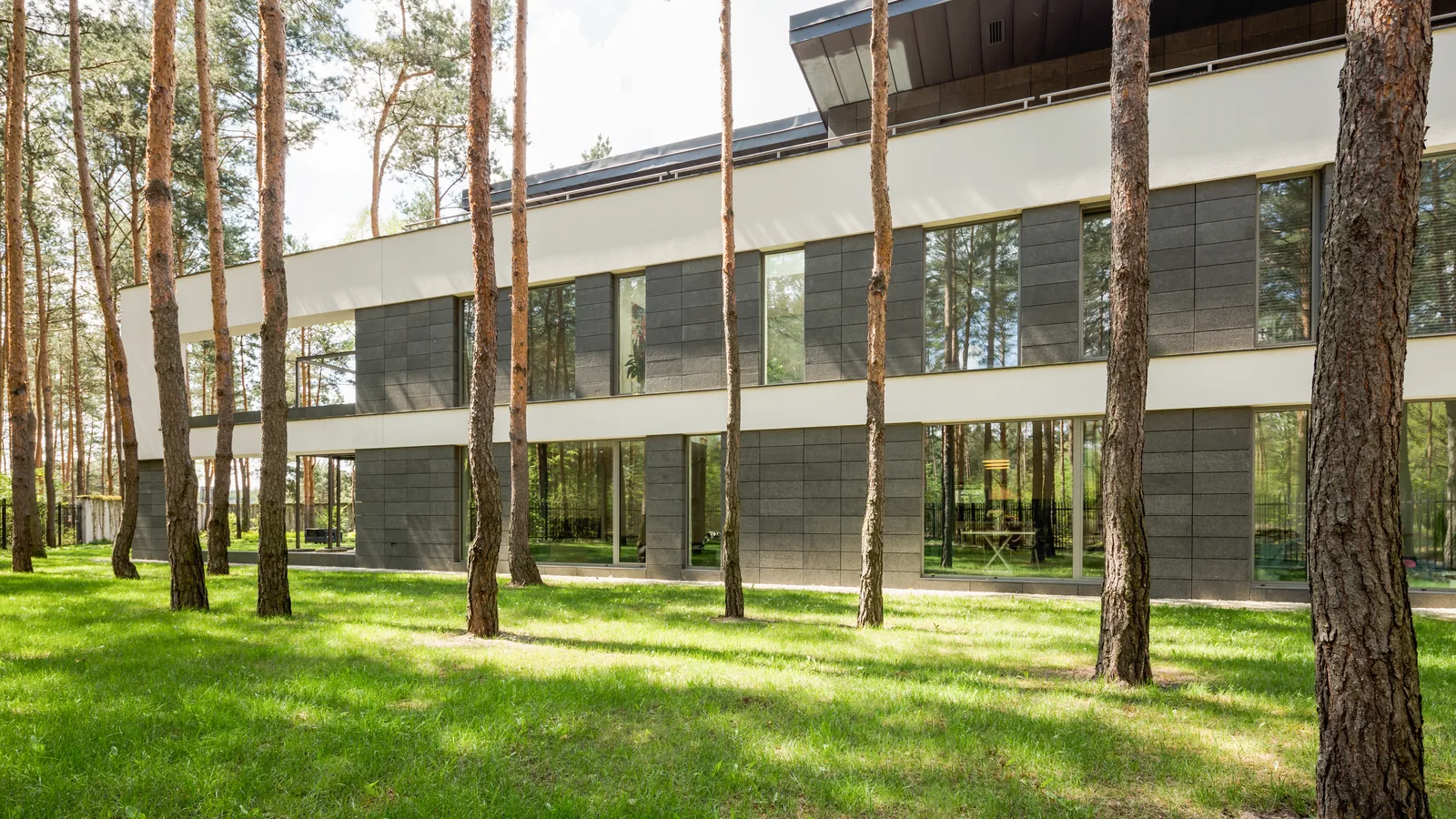
Wellness real estate reached $876 billion globally in 2025, up from roughly $151 billion in 2017, and is forecast to pass $1.8 trillion by 2030 (Global Wellness Institute, May 2026). The change worth tracking in 2026 is not the size of that number but what sits inside it: circadian lighting, clinical-grade air and water systems and biophilic materials are increasingly built into the structure itself, not added to a resident directory as an amenity. What buyers are paying for is shifting too, from a spa membership with a good lobby to a measurable claim on healthspan.
What actually changed between wellness real estate and longevity-led design?
Wellness real estate is the broad category, pools, spas, filtered air, walking trails, and it is genuinely large. Longevity-led design is a narrower, newer subset that the Global Wellness Summit named one of its defining 2026 trends: buildings where circadian lighting, diagnostics and biometric monitoring function as load-bearing infrastructure aimed at a measurable extension of healthspan, not a lifestyle amenity list.
The distinction shows up in named projects rather than press releases. The Estate is building a network of residences where architecture, circadian lighting and concierge medicine operate as one continuous system. Velvaere, a ski-in, ski-out community in Utah, is integrating early-detection diagnostics directly into the ownership model. Tri Vananda in Thailand pairs medical longevity science with biophilic, multigenerational design. None of these read as a condo with a gym attached, and that gap is the actual 2026 story. It is one thread of a wider shift, see our full 2026 trends overview for the other five.
How big is the wellness real estate market, and does the number hold up?
The $876 billion 2025 figure (Global Wellness Institute) spans everything from workforce wellness housing to ultra-prime branded residences, so it is not a pure luxury statistic and should be read as directional, not as a price signal for any one project. What holds up under scrutiny is the growth rate: the sector has compounded at roughly 23.6% a year on average since 2019, making it the fastest-growing category in the 11-sector global wellness economy (Global Wellness Institute, May 2026). That pace, sustained across a full economic cycle, is the part a skeptical buyer should weigh more than the headline dollar figure.
What does sustainable, longevity-led luxury home design actually put inside a residence?
In practice: circadian-tuned lighting that shifts with the day, clinical-grade air and water filtration, biometric or wearable integration, and recovery infrastructure, sized in square footage rather than described as an amenity. THE WELL Coconut Grove in Miami is a concrete case: 194 residences across eight floors, a 13,000-square-foot private Wellness Club, a 40,000-square-foot rooftop wellness deck, and red-light therapy built into the primary closets rather than offered as a spa add-on. The project also carries Florida Green Building Design Silver Certification, a third-party sustainability standard, not a marketing claim.
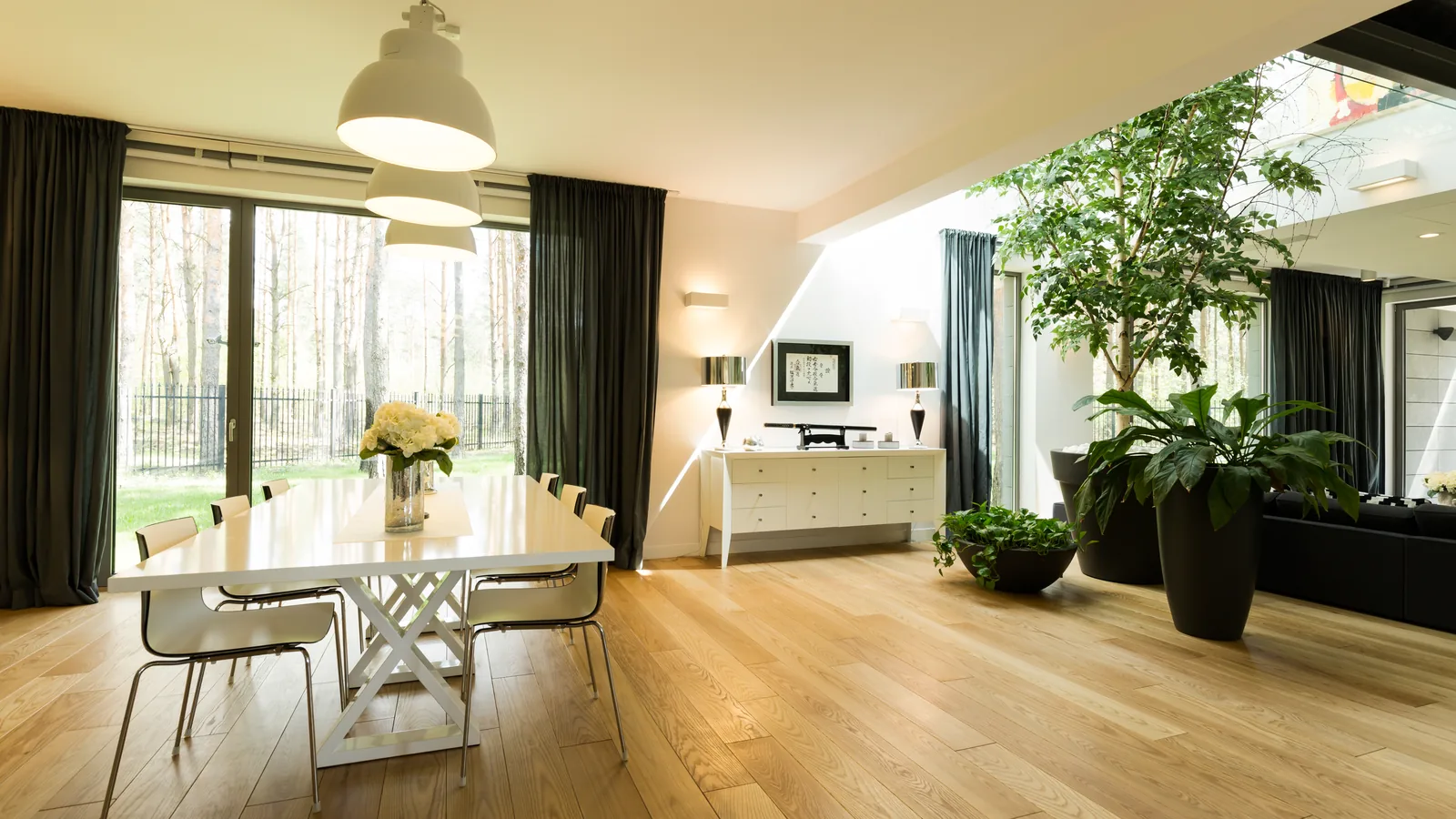
The pattern across the category is the same: square footage, named clinical or wellness partners, and a certification a buyer can check independently, in place of adjectives.
Does sustainability still carry a price premium at the ultra-prime level?
A 2022 survey of 250 European real estate management firms, commissioned by ESG advisory Deepki, found the majority reporting 16% to 25% higher asset values on buildings with strong sustainability credentials, with rental yields moving in the same direction (Deepki, via Global Construction Review). That data covers commercial and residential stock across the UK, Germany, France, Spain and Italy, not ultra-prime single residences specifically, so treat it as evidence the premium exists, not a number to apply to any one Brightwill listing. The honest caveat: published, project-specific premium data for wellness-branded ultra-luxury residences is thin, and a buyer should ask for the underlying appraisal rather than accept the premium as given.
Which wellness-branded projects is Brightwill actually looking at?
Two, for different reasons. THE WELL Coconut Grove, from $1.5 million, sits in a low-density Miami enclave and is developed by Terra, a group with an $8 billion-plus portfolio, with architecture by Arquitectonica and interiors by Meyer Davis. Its differentiation is scale of infrastructure inside a residential, not resort, context.
SHA Residences, from $2.4 million on the Costa Mujeres coastline north of Cancún, takes a different route: a collection of 31 private residences built as a direct extension of SHA Wellness Clinic, an integrative-health operator, with biophilic architecture by Sordo Madaleno and circadian-tuned interiors by Alejandro Escudero, set within more than 17 acres of preserved coastline adjacent to The St. Regis Costa Mujeres. Where THE WELL leads with infrastructure inside a private residential building, SHA leads with a named clinical operator behind the address. That same distinction between infrastructure and brand recurs across the wider branded-residences category, where the operator's name, not the amenity list, is usually the load-bearing asset.
How does a buyer tell longevity-led design from a marketing label?
Four checks, in order. First, a named clinical or wellness operator behind the project, beyond a brand license on the lobby signage. Second, disclosed square footage of wellness infrastructure, not an adjective. Third, a third-party sustainability certification, LEED, Florida Green Building or an equivalent, that a buyer can verify independently rather than take from the brochure. Fourth, scarcity that is structural, not marketed, THE WELL's 194 residences and SHA's 31 are both low by design, which tends to correlate with the kind of supply-constrained pricing resilience Brightwill looks for regardless of the wellness label.
| Attribute | Wellness-amenity building | Longevity-led residence |
|---|---|---|
| Core offering | Spa, gym and pool as resident amenities | Circadian, air, water and biometric systems built into the unit |
| Proof point | Amenity list in the brochure | Named clinical or wellness operator plus a verifiable certification |
| Density | High-density, hundreds to thousands of units | Deliberately scarce (THE WELL: 194 units; SHA: 31) |
| Example | Generic new-build condo with a gym | THE WELL Coconut Grove; SHA Residences |
| The buyer question to ask | "What's in the amenity package?" | "What third-party proof backs the health claim?" |
The bottom line
Wellness real estate is a real and fast-growing market, but the label alone tells a buyer almost nothing. The 2026 shift is toward infrastructure that can be measured, square footage of wellness systems, a named clinical operator, an independent certification, and away from amenity lists that read the same in every brochure. Ask for the specifics before paying for the word.
The Brightwill view
We read a wellness or longevity claim the way we read any other feature: by what is actually built, not by the name on the marketing deck. A rooftop deck and a spa membership are amenities. A 13,000-square-foot clinical wellness club, a certified building standard, or direct integration with an operator like SHA Wellness Clinic are infrastructure, and infrastructure is harder to fake and harder to remove later.
Brightwill Luxury is a curated access platform, not a brokerage or wellness operator. The projects we surface are selected so the underlying real estate and its wellness or sustainability claims can both be verified independently, and we work with advisers who represent you, not the developer.
Discuss wellness-led and longevity-focused real estate opportunities with our advisory team →
Brightwill Luxury is a curated access platform, not a brokerage, wellness operator or medical adviser. Market figures and project details change, confirm current numbers, certifications and availability with qualified counsel and advisers before any commitment.