


Miami vs Marbella: What $5M Buys in 2026
Two markets, one budget: an entry ticket to a branded tower on the bay, or a whole villa with land and change left over
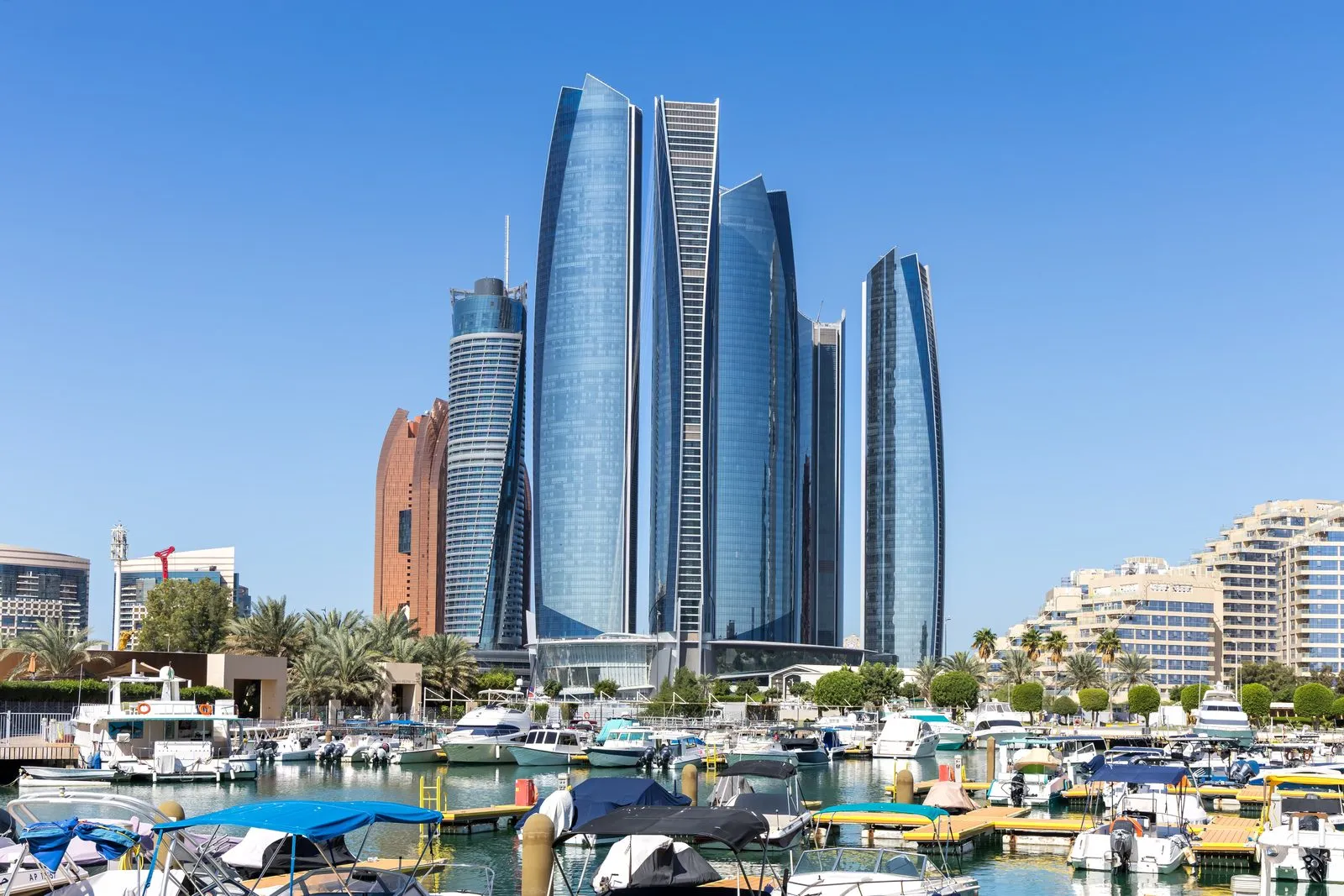
The capital's quiet confidence - culture, freehold ownership, and zero tax.
Abu Dhabi has never needed to raise its voice. Where its neighbor builds for the world's attention, the capital builds for permanence. Saadiyat placed the Louvre on the water and a Guggenheim behind it, turning a sandbank into a cultural district that other cities spend centuries assembling. Yas turned entertainment into infrastructure. What anchors the market is restraint backed by sovereign weight - the largest oil reserves in the UAE, a wealth fund that moves markets, and a planning hand that releases land slowly and deliberately. Buyers here are not chasing a skyline. They are buying into the institution behind it.
The structure rewards the patient as much as the bold. Since 2019, foreign nationals have been able to own 100 percent freehold property in nine designated investment zones - Saadiyat Island, Yas Island, Al Reem Island, Al Maryah Island, Al Raha Beach, and others - with the land and the title held permanently. There is no income tax, no annual property tax, and no capital gains tax, and a purchase of AED 2 million or more opens the same renewable ten-year Golden Visa offered across the UAE. Saadiyat anchors the prestige end with beachfront villas and a cultural quarter; Yas drives rental demand through year-round attractions; Al Reem offers the capital's most accessible entry into high-rise ownership. Abu Dhabi trades less on spectacle than on certainty - and certainty, in real estate, is the rarer asset.


Our partners play a crucial role in our success, bringing diverse expertise and resources that enhance our capabilities. By collaborating with industry leaders, we ensure that our projects are innovative and impactful, driving growth and delivering exceptional value to our clients.
Yes. Since the 2019 ownership law, foreign nationals can own 100% freehold property in Abu Dhabi's nine designated investment zones, including Saadiyat Island, Yas Island, Al Reem Island, Al Maryah Island, and Al Raha Beach. Title is registered with the Department of Municipalities and Transport.
No. Abu Dhabi levies no income tax, no annual property tax, and no capital gains tax. The main transaction cost is a one-time property registration fee of around 2%, paid to the Department of Municipalities and Transport at purchase.
Yes. A property purchase of AED 2 million or more qualifies the buyer for the UAE's renewable ten-year Golden Visa, which can extend to a spouse and children. The same federal threshold applies across Abu Dhabi and Dubai.
Saadiyat Island leads the prestige market with beachfront villas and a cultural district, Yas Island offers strong rental demand through its attractions, and Al Reem Island is the most accessible high-rise zone. Al Maryah Island and Al Raha Beach round out the prime options.
Abu Dhabi is the UAE capital and tends to move at a more measured pace - culture-led development, lower density, and sovereign-wealth backing - while Dubai is faster and more liquid. Both share the same federal tax structure and AED 2 million Golden Visa threshold.
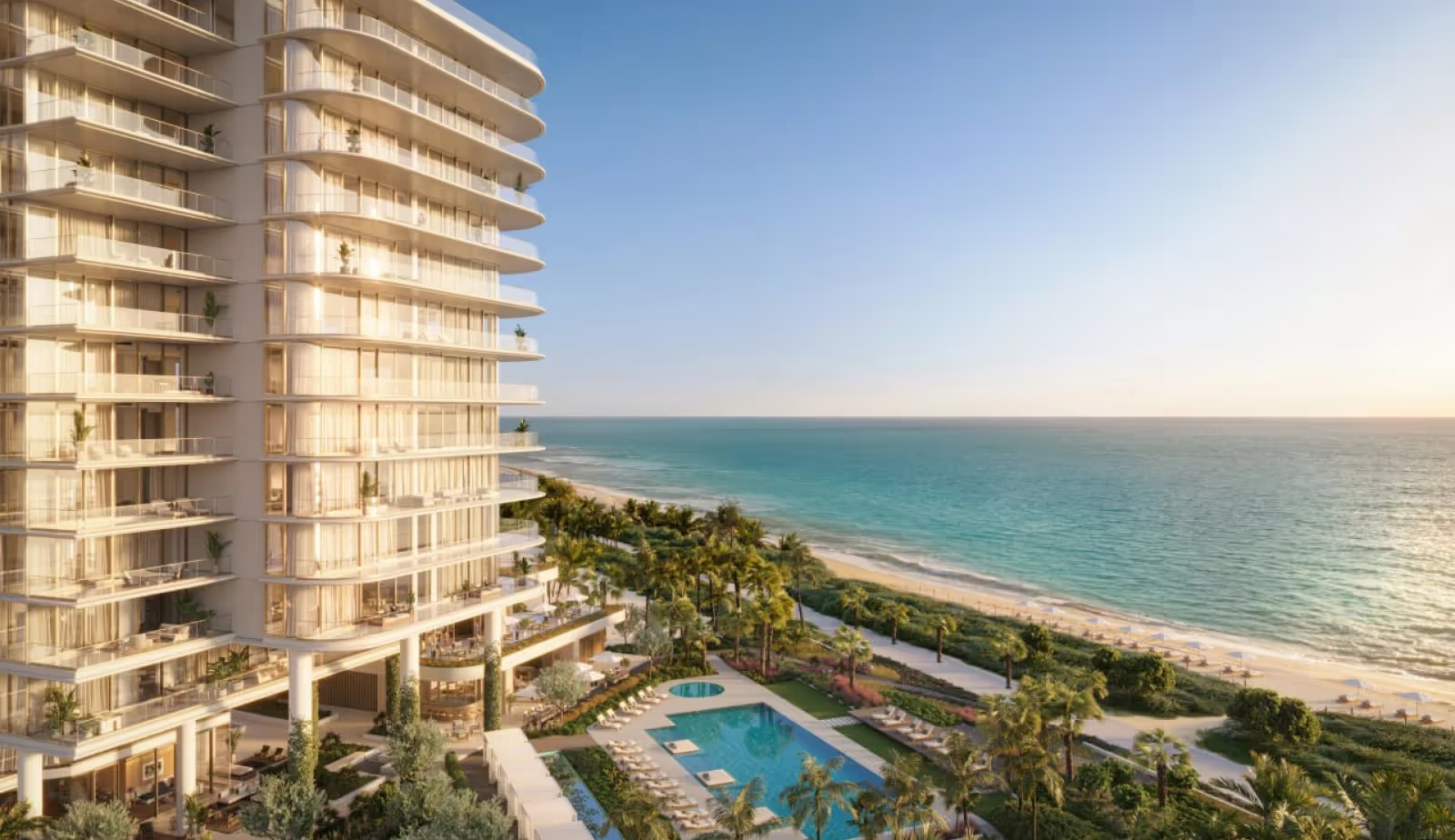
Two markets, one budget: an entry ticket to a branded tower on the bay, or a whole villa with land and change left over
October 27, 2026

The lowest-cost property routes are gone, the prices are zone-priced and volatile, and the live paths now run through a short list of countries that still trade residency for capital.
June 26, 2026
How to buy pre-construction property without overpaying for the name
June 16, 2026
Two markets, one budget: an entry ticket to a branded tower on the bay, or a whole villa with land and change left over
October 27, 2026
The lowest-cost property routes are gone, the prices are zone-priced and volatile, and the live paths now run through a short list of countries that still trade residency for capital.
June 26, 2026
How to buy pre-construction property without overpaying for the name
June 16, 2026
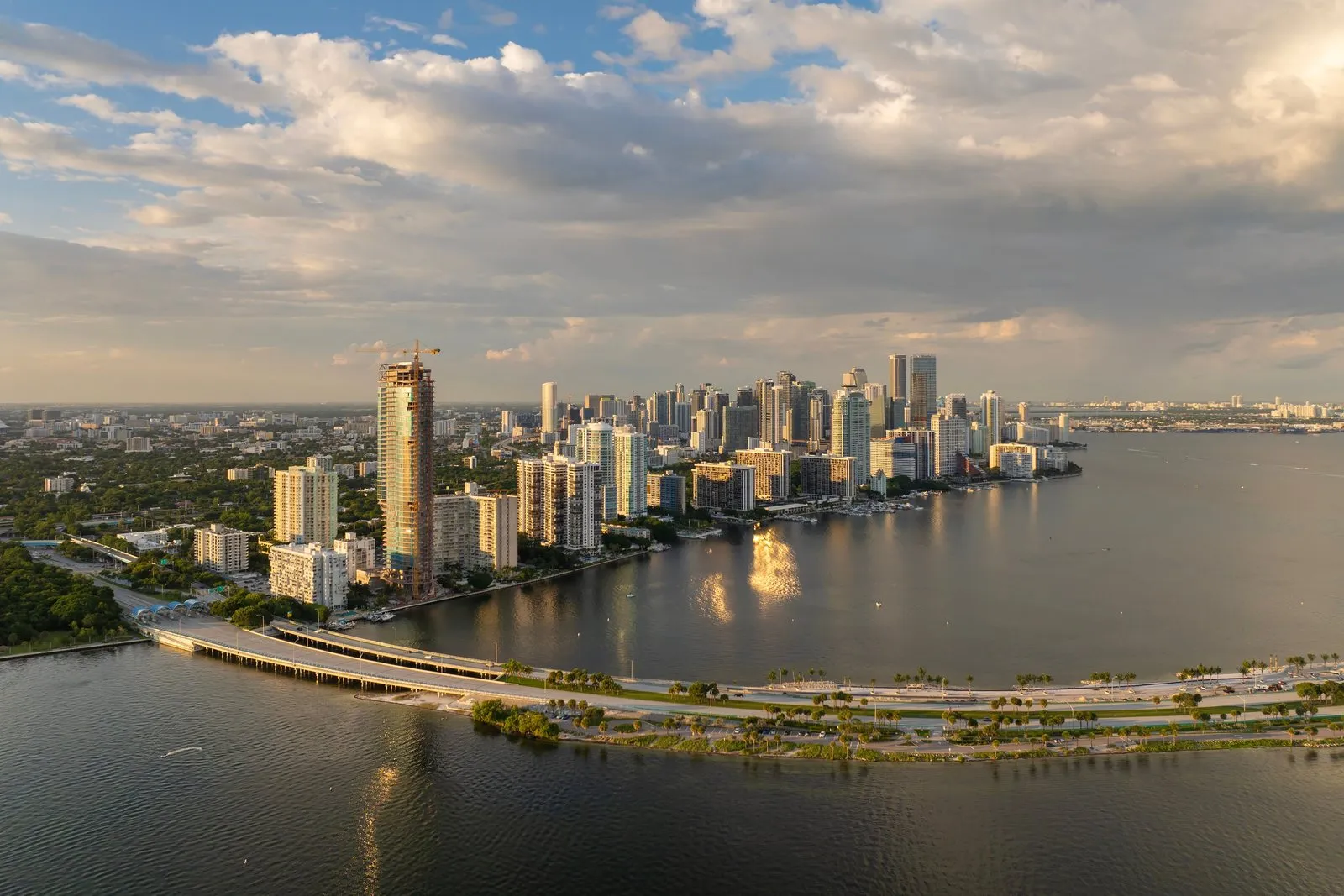
From Fisher Island to Brickell - every district that matters, compared by price, lifestyle, and what end buyers actually care about.
June 12, 2026
The category nearly tripled in a decade and commands a 30%+ premium. Here's why it's reshaping how HNW buyers shortlist where to put their capital, and what to look for before you sign.
May 20, 2026
private consultation
Tell me what you're looking for. I respond personally to every inquiry, usually within hours and never beyond a day.