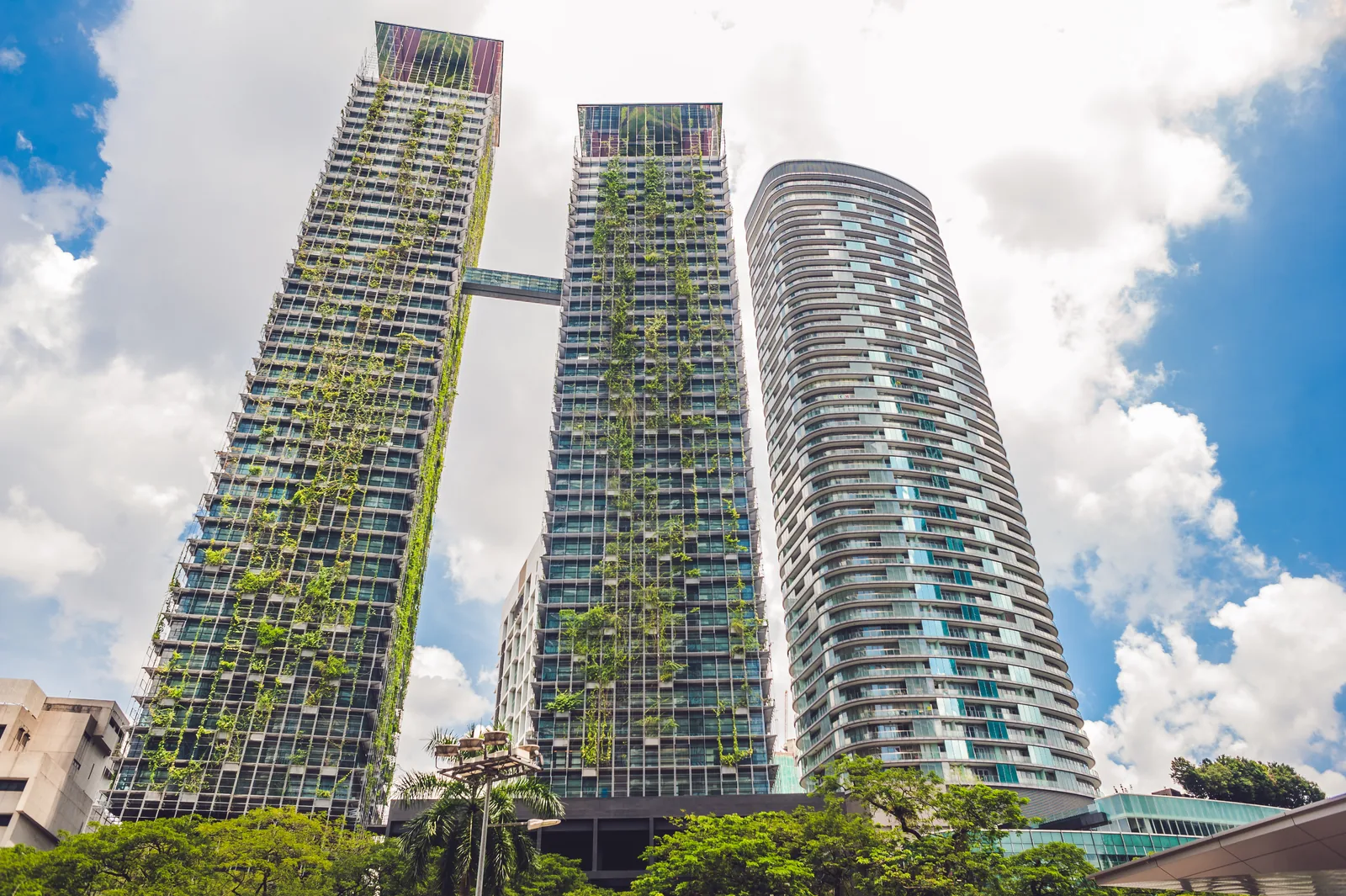
Ten years ago, a buyer choosing between two equally beautiful penthouses in Miami or Dubai had to weigh location, view, and finish quality. Today, an increasing number of those buyers add a fourth question to the list: which brand is operating the building?
The branded residences category has nearly tripled in the past decade. There were 323 active branded projects worldwide in 2015. By the end of 2025, that figure reached approximately 910, and Savills projects 1,747 by 2032. What was once a niche partnership between hotels and developers is becoming the default shape of new-build luxury - and it is changing how the most discerning buyers shortlist where to put their capital.
This piece explains what a branded residence actually is, why these projects command an average 30%+ premium over comparable non-branded inventory, and how the category is evolving in 2026 as fashion houses, automakers, and wellness brands enter what used to be hotel-only territory.
What counts as a branded residence
A branded residence is a private home - usually a condominium, sometimes a villa - developed under a license agreement with a recognized luxury brand. The brand contributes design direction, service standards, and in many cases an operational partner; the developer builds, sells, and earns the price premium that the brand's name carries.
Historically the brand was a hotel group: Four Seasons, Ritz-Carlton, Mandarin Oriental, St. Regis. Hotel-branded residences still dominate the category. But the past three years have brought fashion houses (Dolce & Gabbana, Missoni, Versace, Fendi, Armani, Elie Saab), automakers (Lamborghini, Bentley, Mercedes-Benz, Porsche Design), and wellness operators into the same space.
Three things distinguish a true branded residence from a building that has merely licensed a logo:
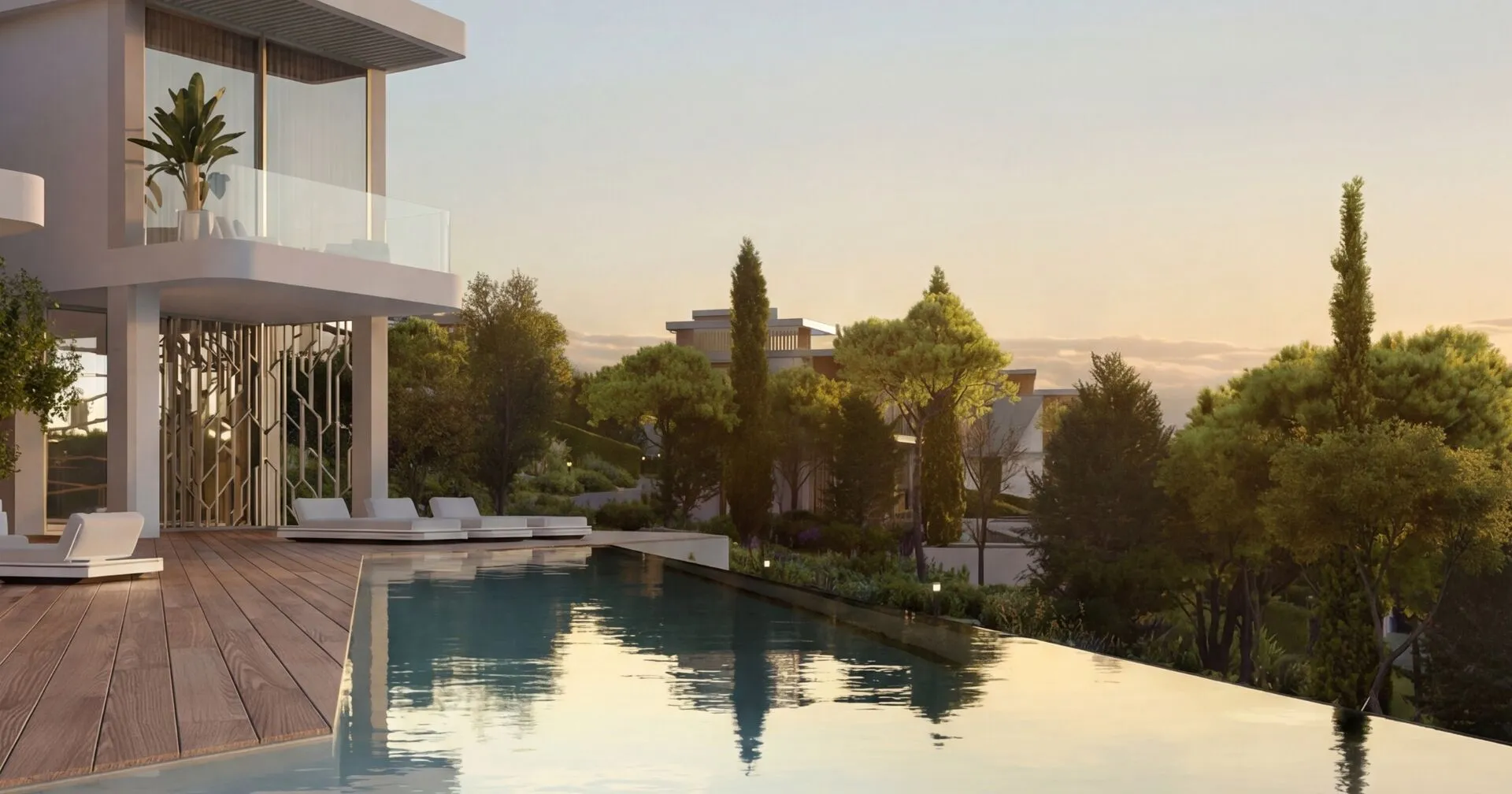
- Design control. The brand directs interior architecture, materials palette, and signature details. In Marea on the Costa del Sol, Missoni dictates everything from the lobby pattern to the woven loungers on the pool deck.
- Service standards. Most projects extend the brand's hospitality benchmark into residential life - concierge, housekeeping, in-residence dining, valet. Standalone-branded projects (those without an attached hotel) increasingly contract operators to run service programs.
- Operational partnership. The brand has continuing involvement during the building's life, not just at launch. That ongoing presence is what protects the premium over time.
What was once a niche partnership between hotels and developers is becoming the default shape of new-build luxury.
Why buyers pay the premium
Across global markets, branded residences trade at an average 30% to 35% price premium over comparable non-branded inventory in the same building or block, according to recent Savills and Brand-Atlas data. The premium is not a trophy tax. It compensates for four things buyers can actually use.

1. Resale insurance
Branded inventory tends to hold value better through cycles because the brand acts as a quality guarantee for the next buyer. A 2026 resale of an Armani-branded unit asks the next buyer to trust Armani's standards, not just the listing photographs. That shortcut shortens diligence and supports price.
2. Lease-up reliability
For buyers who use the residence intermittently, branded buildings make it easier to short-let or long-let through the operator. Yields are not always higher, but they are more predictable, and the operator handles the wear-and-tear that private rentals invite.
3. Curation of neighbors
Buyers of branded residences self-select. The result is that the people in the elevator are demographically similar, which sounds shallow but is a meaningful factor for UHNW families thinking about who their children will grow up around.
4. Service as a feature, not a fight
In a non-branded luxury building, the level of service is whatever the HOA can agree to fund. In a branded building, it is contractually defined and brand-protected. Hand-towel weight, lobby music, training standards - all of it is specified.
Where the market is concentrated
Two cities dominate global supply: Dubai and Miami.

Dubai leads the world with the highest concentration of branded projects, anchored by the Palm Jumeirah, Downtown, and the Marina districts. Wellness has become Dubai's distinguishing angle - longevity clinics, sensory design, and community-wellness programming are now expected, not exceptional. ORLA, the Dorchester Collection's first residential project outside London, brings that hotel group's London-level service to Palm Jumeirah for the first time.
Miami sits second globally with 48 completed projects and 55 more in the pipeline as of late 2025. Brickell is the densest hub: 888 Brickell by Dolce & Gabbana, St. Regis Residences Miami, Cipriani Residences, and the Mercedes-Benz Places tower are within walking distance of each other. The neighborhood has been rezoned, effectively, into a vertical district of branded inventory.
Outside those two: the Costa del Sol is the European cluster to watch. Missoni and Lamborghini have both placed residential projects there in the last 18 months. Phuket is becoming the Asian beach equivalent, led by Banyan Tree's Aegir oceanfront villas. Las Vegas, long underserved for branded inventory, now has Four Seasons Private Residences open in Henderson.
What's changing in 2026
Three shifts are reshaping the category this year.

Standalone is the new default
Branded residences without an attached hotel made up about 15% of new announcements in 2018. They now make up more than 40%. Standalone projects unlock smaller plots, more residential-led floor plans, and brand partnerships outside traditional hospitality - Lamborghini villas in Benahavis, for example, would not have been possible inside a hotel envelope.
Flashy extras are out; longevity is in
Buyers are less impressed by the gold-leafed lobby than by the third-floor longevity clinic. Branded operators that can credibly deliver health-led amenities - cryotherapy, hyperbaric chambers, IV bars, cognitive-fitness gyms - are winning a disproportionate share of 2026 reservations.
The brand mix is widening
The 2026 launch pipeline includes Elie Saab, Giorgio Armani, Fendi, Missoni, and Versace, alongside non-traditional entrants in performance (Lamborghini, Bentley), design (Dorchester Collection, Missoni), and wellness. Buyers now have brand choice in a way that did not exist five years ago - and that choice itself is what's driving the premium higher in the most contested markets.
How to think about a branded residence as a buyer
If you are considering a branded residence in 2026, three questions matter more than the brand name itself.
- Is the brand operationally involved, or only in the renderings? Ask for the management agreement summary. If the brand exits after sales close, the premium will not hold.
- Is there a separate residence operator with luxury experience? Standalone projects need this. A brand without a hospitality background should be paired with one that has it.
- What does the resale market look like locally for this brand? In some cities, the brand premium compounds. In others, it does not. Ask for comparable resale data on units sold five years earlier in the same market.
These questions sound dry. They are the difference between paying a 30% premium that compounds and paying a 30% premium that fades. For the full buyer-side breakdown - including a break-even you can run on the premium and the licensing clause that decides whether it holds - read our companion guide, Branded vs Non-Branded Residences: The Premium Decoded.
The premium is not a trophy tax. It compensates for four things buyers can actually use.
The bottom line
Branded residences are not a fad. The supply pipeline, the buyer demand, and the brand pipeline all point the same direction through 2030. For HNW and UHNW buyers shopping the world's prime markets in 2026, the question is no longer whether to consider a branded residence. It is which brand, in which city, with which operator.
At Brightwill Luxury, every project we surface is selected with those three questions answered before we present it. Our portfolio spans 888 Brickell by Dolce & Gabbana, ORLA Dorchester Dubai, Marea by Missoni in Casares, Tierra Viva Lamborghini Villas in Benahavis, Six Fisher Island, Banyan Tree Aegir in Phuket, and Four Seasons Private Residences Las Vegas - each chosen for its architecture, location, and the durability of its brand partnership.