Culinary branded residences are homes attached to a restaurant name, where the daily draw is a table people already trust rather than a service desk or a design language. The two most visible names in the category are Cipriani and Nobu, and they sell it differently. The buyer test is the same one that runs through our full brand map of luxury real estate: confirm who operates the dining and the service day to day before you weigh the name on the door.
What is a culinary branded residence?
It is a residence developed around a restaurant or chef brand, where resident-only dining, room service from the kitchen, and the social rhythm of the restaurant are the core amenity. Chefs sit inside the non-hotel wave that now makes up about 17% of new branded schemes (Savills, Branded Residences 2025-26), a share the sector expects to keep climbing. The product is community around a table, not floor plans.
Where hospitality brands sell service depth and fashion houses sell an interior, a culinary residence sells a way of eating and gathering the buyer already values. It fits a narrow profile: someone whose restaurant is already part of their week, who wants that access made permanent and private, downstairs.
Who actually runs the table, and who lends a name?
This is the diligence question for the category. A restaurant brand on a tower can mean the operator runs the food and the service directly, or it can mean the name is licensed while a developer or a third party runs the day to day. The nameplate reads the same either way, the asset behind it does not.
Cipriani sits at the direct end. The family controls its restaurants and, in Miami, the resident-only dining is presented by the developer as run by Cipriani itself, an extension of the same operation behind Harry's Bar in Venice, open since 1931 and now under four generations of family stewardship. Nobu runs a global restaurant and hotel operation founded by chef Nobu Matsuhisa with Robert De Niro and Meir Teper, so the culinary brand and the operator are one house. In both cases the food is usually run by the people whose name is on the building, though the named operator and the length of the service commitment are the details to confirm in the project documentation. That is the version worth paying for, since a licensed kitchen with an absentee chef is a different asset at the same price. The same operator-first test anchors how hospitality residences run the service after handover, because culinary dining is one branch of the wider hospitality craft.
José Andrés shows what the next stage of the category looks like rather than its present. The group has one branded hotel, The Bazaar House by José Andrés, 67 rooms in Washington's Georgetown opening in 2027 under a licensing agreement with Thor Equities, and no branded residences of its own (José Andrés Group; Thor Equities, 2024). Where the name appears on a residential building it is as the culinary partner inside someone else's brand: the residents-only restaurant at the Ritz-Carlton Residences, South Beach, and the food and beverage program at Olara in West Palm Beach. That is worth knowing before you read a chef's name on a floor plan, since it may tell you who cooks rather than who runs the building.
Roberto Cavalli is the counter-case, and it is filed near this category more often than it belongs in it. Cavalli residences exist in Dubai only, all of them developed by DAMAC, whose founder's investment company bought the brand in 2019. That is fashion-adjacent lifestyle branding, not a chef-operated address: the house authors the lobby and the interiors, while the developer runs the kitchen and the service. Miami is the sharper lesson. DAMAC acquired the Champlain Towers South site in Surfside for $120M at auction in 2022 and announced a Cavalli-branded condominium for it, but the project that launched in January 2025 carries no Cavalli name at all. It is The Delmore: 37 residences by Zaha Hadid Architects, from $15M, completion targeted for 2029, and, as of April 2026, not one signed contract after more than a year of sales (DAMAC International, 2025; The Real Deal, April 2026). A brand can come off the door before a single unit sells.
One more detail sits underneath both Miami names. 13th Floor Investments is developing Casa Cipriani Miami with Midtown Equities and, separately, Nobu's 619 Brickell with Key International. The brands compete, the builder is the same, which is the plainest evidence that the name on the door and the company behind the building are two different questions.
What does Cipriani sell in a residence?
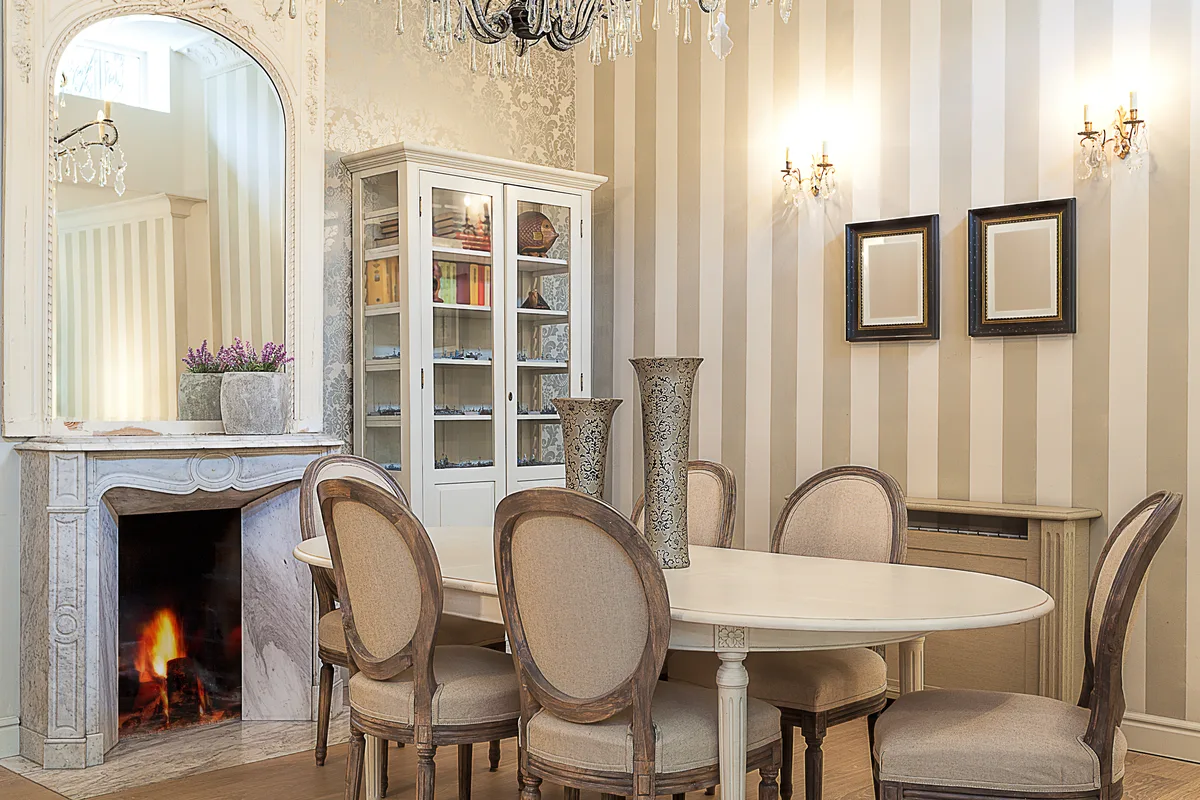
Establishment, not novelty. Cipriani sells Venetian old-money hospitality and the dolce vita service ritual that runs from Harry's Bar, where Giuseppe Cipriani opened in 1931 and where the Bellini and carpaccio were invented. Cipriani Residences Miami, at 1420 South Miami Avenue in Brickell, is an 80-storey tower by Mast Capital with Arquitectonica, currently Miami's tallest residential tower (South Florida Agent, 2026), with prices from about $1.7M to around $34M for completion around 2027 (indicative). In Dubai, the Mr. C Jumeirah residences have sold out, though Mr. C is a separate brand run by the younger Cipriani generation rather than a Cipriani residence proper, so it is not direct Cipriani presence in the city. The buyer here wants the address to read as established rather than experimental, and is usually a Cipriani regular already.
Cipriani now has two Miami addresses, not one. The Brickell tower is the volume play; Casa Cipriani Miami, 23 residences at 3611 Collins Avenue with a 40-key hotel and a private members' club, is the club-first version, priced from about $25M and developed by 13th Floor Investments and Midtown Equities with the Cipriani family (Commercial Observer, 2025; indicative). It is the first Casa Cipriani project in residential property.
Beyond the United States, the family's largest residential undertaking is in Uruguay. The $600M Cipriani Punta del Este Resort, Residences and Casino, designed by Rafael Viñoly Architects, opened its first tower of 65 residences to U.S. buyers in October 2025 from about $1.9M, with delivery targeted for 2028 (Robb Report, October 2025; indicative). Prices in that project are quoted as of the U.S. sales launch, and the resort and casino components run ahead of the residential tower.
What does Nobu sell, and where does it cross into wellness?
Contemporary and international, with a health layer. Nobu pairs the restaurant relationship with a growing longevity offer. Its 619 Brickell in Miami, a 74-storey tower of 300 residences designed by Foster + Partners with Sieger-Suarez and developed by 13th Floor Investments and Key International, is priced from $3M to $60M and up and adds a reported $25M wellness and longevity spa with cryotherapy, hyperbaric and IV therapy, for completion around 2031 (Nobu Hospitality, November 2025; Robb Report; indicative). That spa is the seam where the culinary category meets health infrastructure, and it is why Nobu appears in both conversations. If the health program is your primary filter rather than the restaurant, weigh it against dedicated operators in the wellness and longevity brands and their health programs, where a clinic, not a kitchen, is the anchor.
Nobu's residential footprint is wider than Miami, though most of it is not built. Only two projects are complete and occupied: Los Cabos, 60 homes opened in 2023, and Toronto, two 45-storey towers occupied from late 2024 by Madison Group, which sold out within three months (Nobu Hospitality). Saadiyat in Abu Dhabi is the one announced project carrying a date worth quoting, 88 units for Q2 2027 with Aldar (indicative). Everything else is announced rather than delivered, including Al Khobar in Saudi Arabia, Danang, Cairo, Tulum, and a ten-estate private-island project in the Maldives announced with Sarat International in February 2026. Read those as intent, not inventory. Its geography has a specific gap for our markets, covered below.
Where can you actually buy a culinary residence?
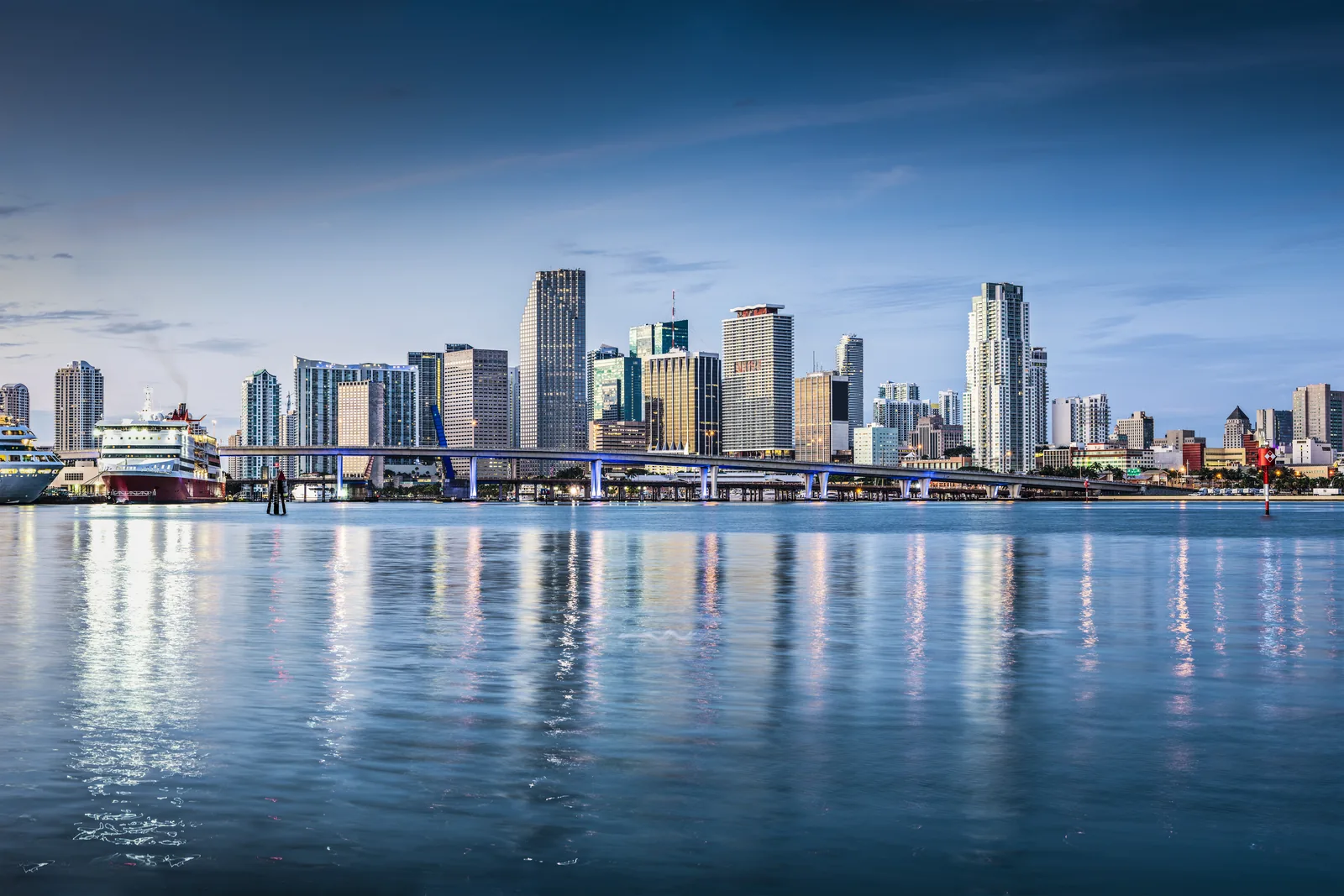
Miami is the deep market for the category, Dubai is partial, and neither Cipriani nor Nobu has a Marbella residence today. Cipriani holds two Miami addresses, the Brickell tower and Casa Cipriani on Collins Avenue, and its largest project outside the United States is in Punta del Este, Uruguay. In Dubai the sold-out Mr. C residences in Jumeirah carry a separate family brand rather than the Cipriani name itself. Nobu anchors Miami at 619 Brickell and has 88 units under way with Aldar at Saadiyat in Abu Dhabi for Q2 2027 (indicative), but it has no residence in Dubai proper today, its nearest announced project being Al Marjan Island in Ras Al Khaimah. Neither Cipriani nor Nobu has a residential project in Marbella. Nobu manages the hotel at Puente Romano in Marbella, and no residences are attached to it, so the brand is present on the Costa del Sol as a restaurant and hotel operation only. For a buyer set on the coast, culinary is one of the categories still absent, an opening we track rather than a shelf you can buy from.
How do Cipriani and Nobu compare?
The table sets the two names side by side on the decisions a buyer actually makes, comparing what each brand stands for rather than what each project lists. The figures behind both flagships sit in the sections above.
| Decision | Cipriani | Nobu |
|---|---|---|
| Signature feel | Venetian old-money hospitality, the Harry's Bar lineage | Contemporary and international dining with a longevity layer |
| Why buyers choose it | An address that reads as established rather than experimental, run by the family whose name is on it | Contemporary international dining plus a health programme downstairs |
| Flagship residence | Cipriani Residences Miami, Brickell, currently Miami's tallest residential tower | 619 Brickell, Miami, Foster + Partners with Sieger-Suarez |
| Developer behind the flagship | Mast Capital, with Arquitectonica | 13th Floor Investments and Key International |
| Who runs the table | Cipriani family operation (as stated by developer), resident-only dining under continuous family stewardship | Nobu Hospitality, founded by Nobu Matsuhisa with De Niro and Teper |
| Wellness layer | Restaurant and service ritual, no clinical spa | Reported longevity spa on site: cryotherapy, hyperbaric, IV |
| Miami | Yes, two addresses: the Brickell tower and Casa Cipriani on Collins Avenue | Yes, Brickell |
| Dubai | Mr. C Jumeirah, sold out, separate family brand not Cipriani itself | None in Dubai proper, nearest announced project Al Marjan RAK |
| Marbella | No residence | Hotel at Puente Romano only, no residences |
| Beyond those markets | Punta del Este, Uruguay, the family's largest residential undertaking outside the US | Built in Los Cabos and Toronto, Abu Dhabi with Aldar, the rest announced only |
The bottom line
The culinary category is small, and it rewards a specific buyer: one whose restaurant is already part of how they live, who wants that table private and permanent. Read the choice in two moves. First, match the temperament, Cipriani for the established Venetian ritual, Nobu for the contemporary and international version with a health layer bolted alongside. Second, and this is the move that protects the premium, confirm the operator runs the dining and the service directly rather than lending a name to a licensed kitchen. The name is what draws you to the table. Whether it also runs the kitchen is the part that survives to handover.
The Brightwill view
At Brightwill, the projects we surface are selected with the operator question answered first. In the culinary category that means confirming the restaurant brand runs the resident dining and service itself, not through an absentee licence, before anything reaches you. We treat unit counts, prices, and completion dates as indicative until verified, and we flag where a category is confirmed in your market versus only announced, since culinary is present in Miami, partial in Dubai, and not yet represented by either Cipriani or Nobu in Marbella today.
Arrange a private briefing on the culinary selection with our concierge team →
Brightwill Luxury is a curated access platform, not a brokerage or financial adviser. Unit counts, prices, and completion dates in the branded-residence sector change frequently and are indicative; confirm current figures and project status before any commitment.