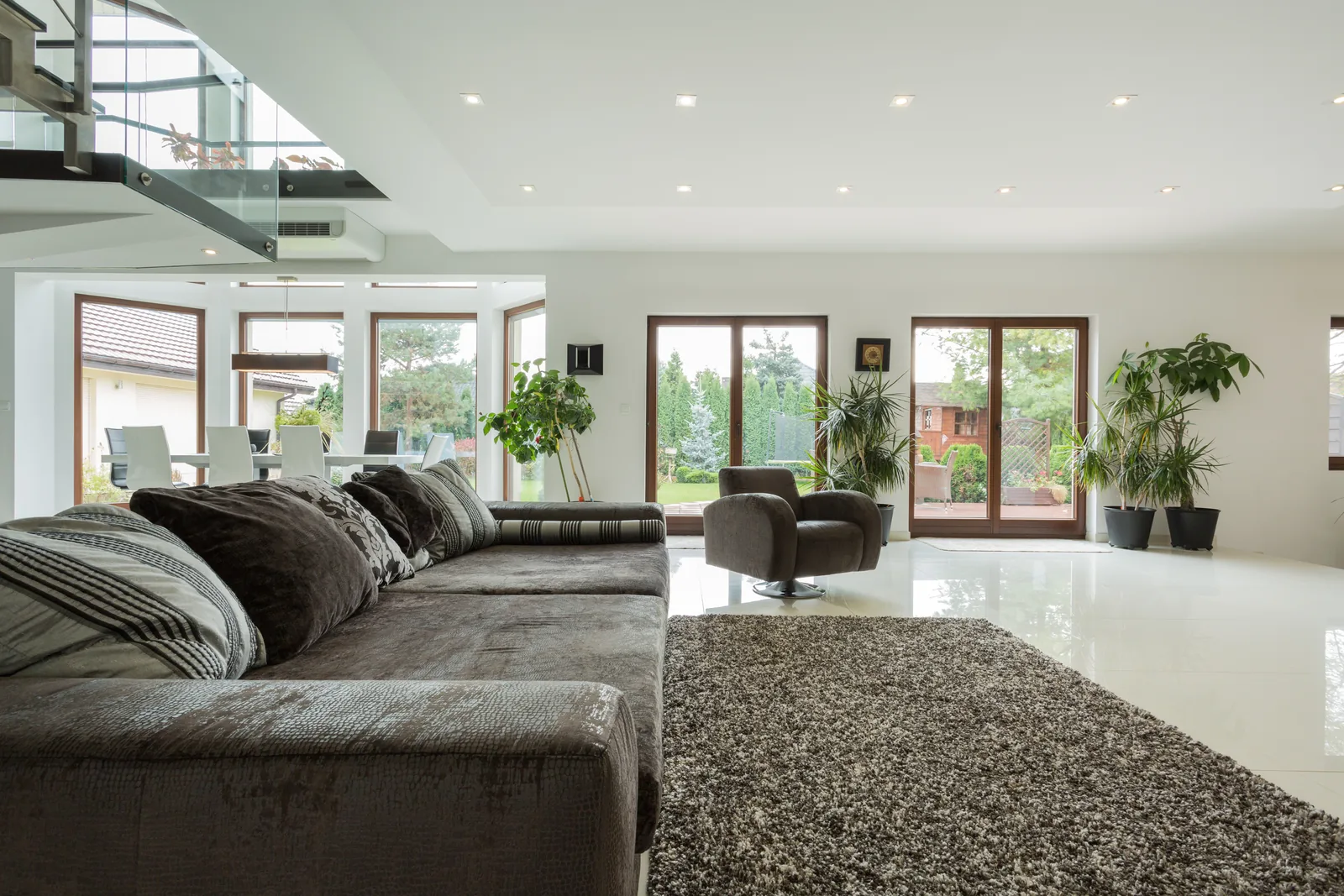
A brand map of luxury real estate sorts the companies that put their name on a residence into categories by identity, not by price. Five groups now do it: hospitality, fashion, automotive, culinary, and wellness. The name on the door signals a way of living, an aesthetic and a service standard, more than a service badge. The map is useful because the same "branded residence" label now covers products aimed at very different buyers.
How do the branded-residence categories compare?
The summary below is the map in one view. Representative brands, the signature feel of each category, the buyer it suits, and where each category is active across the three markets we cover most closely. Unit counts and dates across the sector are indicative, since branded projects rename, resell, and slip, so read the table as a map, not a quote.
| Category | Representative brands | Signature feel | Who it fits | Brightwill markets (Miami / Marbella / Dubai) |
|---|---|---|---|---|
| Hospitality | Four Seasons, Aman, St. Regis, Six Senses, Dorchester Collection | Service depth and a proven operating standard, from austere calm (Aman) to formal ceremony (St. Regis) | The buyer who wants a serviced home to lock and leave, with a track record behind the desk | Miami, Marbella (St. Regis at Casares confirmed), Dubai |
| Fashion & Lifestyle | Armani, Bulgari, Dolce&Gabbana, Versace, Elie Saab, Karl Lagerfeld, de Grisogono | The interior as the product, split restrained (Armani) versus maximalist (Versace, Dolce&Gabbana) | The buyer whose home should carry the same aesthetic they present in | Miami, Marbella (the deepest fashion cluster), Dubai (including de Grisogono, owned by DAMAC) |
| Automotive | Porsche Design, Bentley, Aston Martin, Bugatti, Mercedes-Benz | Engineering and the car as centrepiece, car lifts and private sky garages | The buyer who wants the car integrated into the home, not parked out of sight | Miami, Dubai, Marbella (Bentley Home interiors only) |
| Culinary | Cipriani, Nobu | The table and its social world, resident-only dining | The buyer whose restaurant is already their world | Miami, Dubai (partial), Uruguay; no Marbella residences |
| Wellness & Longevity | Six Senses, Clinique La Prairie, SHA, Equinox | Health as the operating system of the home, not a spa on the ground floor | The buyer who chooses a home by its health program before its address | Dubai and wider UAE; Saudi Arabia (AMAALA); Miami (Equinox reported early-stage); no Marbella project |
Why has the branded-residence category grown so fast?
Because non-hotel brands arrived. The category went from 323 schemes in 2015 to roughly 910 by the end of 2025 (Savills, Branded Residences 2025-26), and the structural change is that fashion houses, car marques, chefs, and wellness clinics now treat residences as a primary arena for the brand, not a licensing sideline. About 17% of new schemes are non-hotel, and Savills expects that share to keep rising.
The premium is documented. Branded stock trades at around 33% over comparable non-branded homes globally (Savills, Branded Residences 2025-26), reaching 64% in Dubai and 87% in Abu Dhabi (CBRE, UAE Branded Residences Report 2025). Knight Frank, working from a different sample, places the premium in a 20% to 35% range. Geographically the centre of gravity has moved to the Gulf: MENA supply grew 187% over five years, and Dubai now anchors the market with around 64 completed schemes and 87 in the pipeline, while Miami is the most active single Western market at around 48 completed and 55 in the pipeline (Savills and The Real Deal, 2025). Europe is the prestige-and-scarcity market, and Marbella is the growth pocket with fewer players.
The table above is scoped to the three markets we cover most closely, Miami, Marbella and Dubai. Beyond them, New York holds 32 completed schemes and London 18 (Savills, 2025-26). CBRE ranks Phuket fifth and Bangkok seventh worldwide, with branded stock at 10% of Phuket’s condominium supply. Saudi Arabia’s AMAALA carries 140+ branded homes (Red Sea Global) across brands including Rosewood, Six Senses, Four Seasons, Equinox and Clinique La Prairie, while NEOM has announced hotels, not branded residences.
The buyer is changing too. As wealth transfers to Gen Z and Millennial HNWIs, and increasingly to women, the younger buyer reads the brand as identity and values, wants wellness built into the architecture rather than bolted on as an amenity, and treats community as active social infrastructure. The Boomer and Gen X buyer weighs heritage, scale, and privacy (The Future Laboratory x Together Group, 2025, citing Knight Frank, UBS, and WealthiHer). A private-island Bulgari mansion and an entry-level fashion-branded condo are both "branded residences" and share almost no buyer. That is the case for a map.
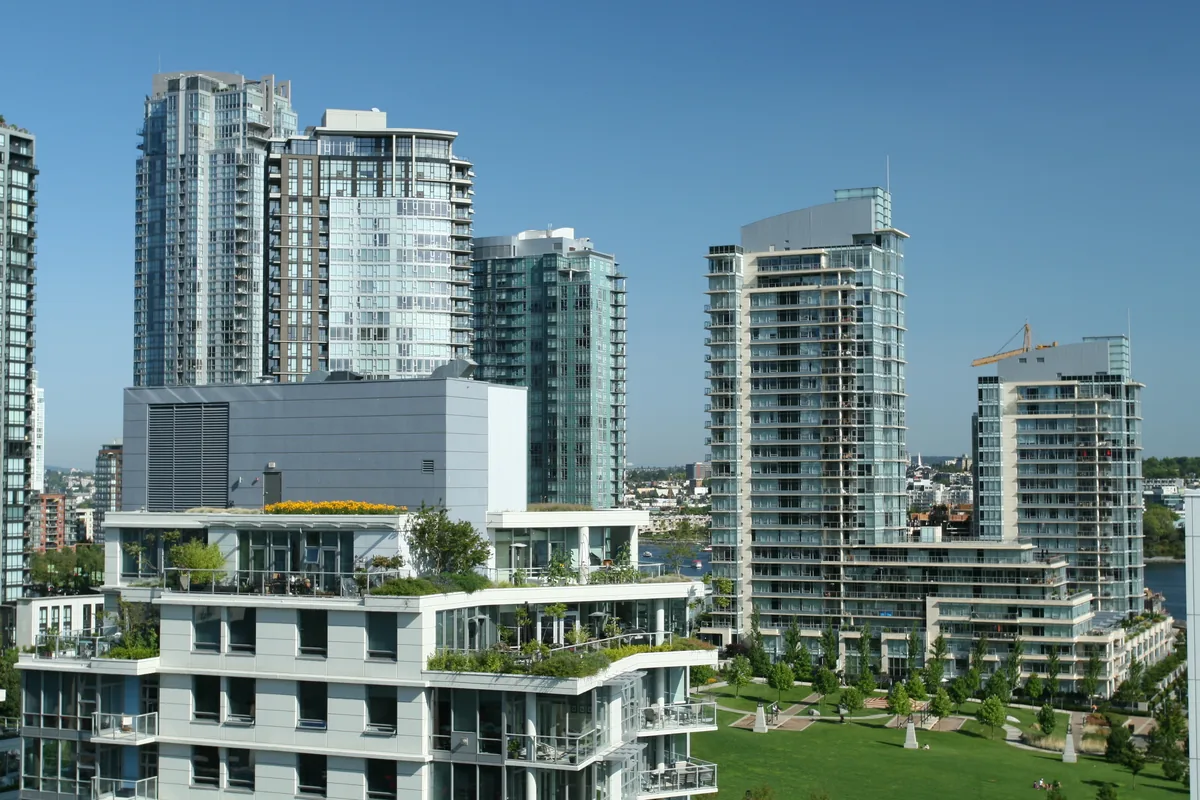
Who actually runs a branded residence after handover?
This is the one diligence question that reorders the whole map. The name on the building tells you what the residence looks like. It does not, on its own, say who runs it. The useful split is not hotel versus non-hotel, it is who operates the service program day to day, and whether the brand or a named operator stays involved past handover.
Established hospitality groups usually answer from their own track record, since Four Seasons, Ritz-Carlton, and Mandarin Oriental tend to run what they brand, though whether a given building is operated by the brand or by an outside company comes down to the management agreement behind it, not the name on the facade. Some non-hotel brands run their own program, and some appoint a named hospitality operator to run the building, a distinction the brand name alone does not reveal. Bulgari, for one, controls the design and marketing of its residences while a standalone 50/50 Bulgari and Marriott joint venture, Bulgari Hotels and Resorts, operates them. That venture is a sibling brand to Ritz-Carlton under Marriott’s Luxury Group, not part of Ritz-Carlton, which supplies the operational infrastructure such as reservations and training (Marriott International, 2001). For every brand below, the design story is real. The operating story is the thing to confirm before money moves. This is the angle we lead with, because a five-star name on the facade is worth less if nobody with a five-star record is running the building in year six.
Developers state it in their own paperwork. Arada’s disclaimer for W Residences Dubai Harbour reads that the residences are not owned, developed or sold by Marriott International, and that Arada uses the W marks under licence (Arada).
How do the five brand categories differ?
Each category answers a different buyer motive, and each carries a dedicated guide linked at the end of its section.
What sets a hospitality residence apart?
Service track record is the differentiator here, and design language varies by architect and market. Four Seasons is the volume leader with 50+ branded residences and the reliability play, recognised name and proven resale. Aman is restraint and sanctuary, natural materials and stillness as the primary amenity. St. Regis and Ritz-Carlton carry the traditional five-star formality, and Six Senses engineers wellbeing into the building itself, which puts it on the border with wellness. Dorchester Collection is the low-density scarcity play, The Lana in Dubai at 39 residences by Foster + Partners. The category is also the easiest to announce and the hardest to deliver: Marriott announced W Marbella with 100 residences for a 2021 opening back in 2017, and nine years on nothing is built and the W name is gone (Marriott, 2017; SUR, 2024). For the buyer who wants a serviced home to lock and leave, the hospitality brands, in depth set out how service depth separates them.
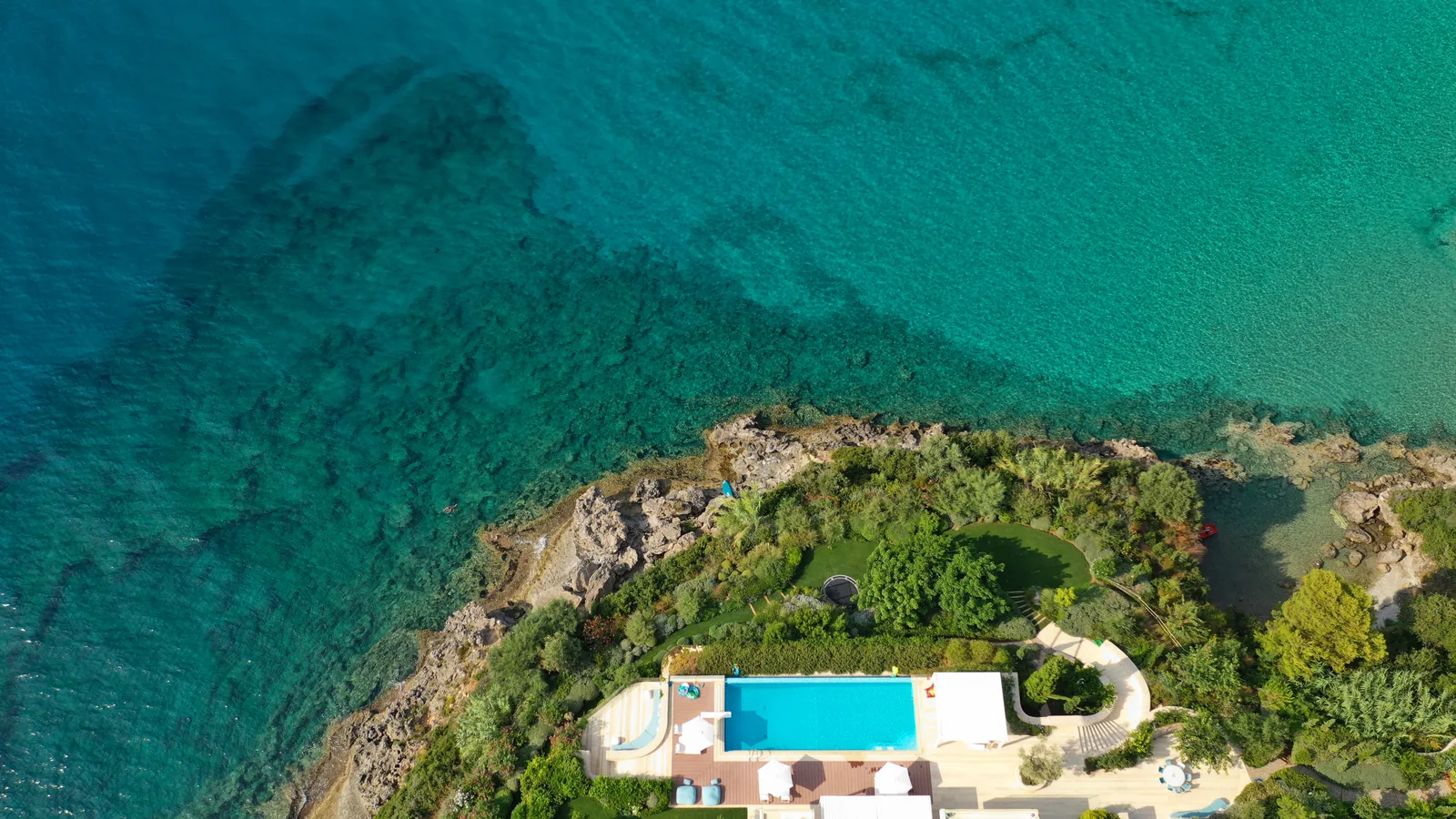
What are you really buying in a fashion residence?
The interior is the product, and the group splits by temperament, restrained versus maximalist. Armani sells proportion over logo, Bulgari sells jeweller-grade precision and private-island scarcity on Jumeirah Bay. At the other end, Versace sells baroque Greco-Roman volume, and Dolce&Gabbana sells theatrical Sicilian glamour, with Design Hills on the Marbella Golden Mile reporting 250 million euros of sales in seven months as its first residential project in Europe. Karl Lagerfeld, with five villas only in Marbella, is one of the scarcest fashion-branded residences on the map. de Grisogono sits at the edge of the group: DAMAC bought the Swiss jeweller outright in 2022 and has since used the name on Dubai towers only, Safa One, Safa Two and Altitude, where the gemstone silhouette is design identity, not an operating commitment (DAMAC, 2022). The line that decides fit is aesthetic temperament, and how the fashion houses split restrained vs maximalist is the guide to that call.
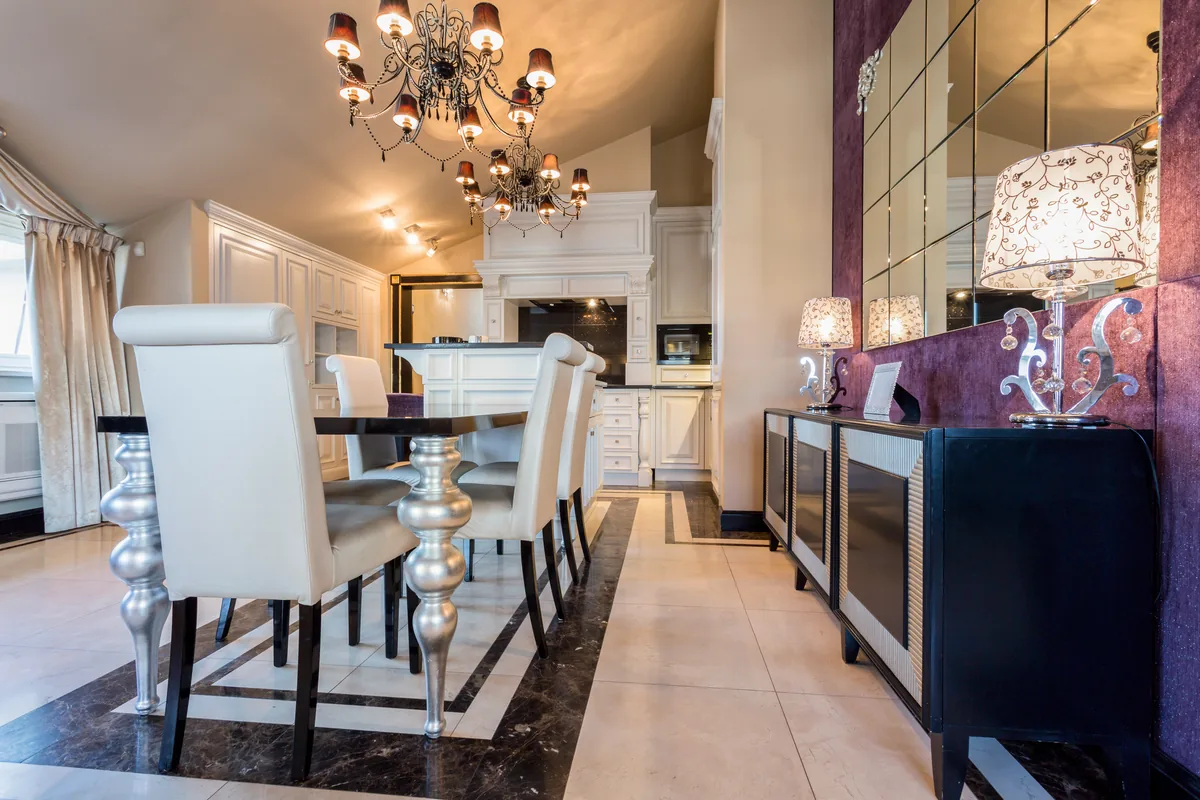
How do automotive residences treat the car?
The car is the centrepiece, in two temperaments, car-as-showpiece versus engineering credibility. Porsche Design places a car elevator to a sky garage beside the living room. Bentley gives each Miami home a private multi-car sky garage, and Bugatti Residences by Binghatti mirrors hypercar scarcity in Business Bay, Dubai, with a penthouse collection from AED 165M. Aston Martin and Mercedes-Benz sell restraint over spectacle, with Mercedes-Benz Places in Brickell among the lowest entry points of the automotive set. One naming trap matters for buyers: Tonino Lamborghini is a lifestyle house legally separate from Automobili Lamborghini, the carmaker. The automotive marques and the car-lift question work through which brands build genuine engineering credibility and which stage the car.

What do culinary residences sell?
You are buying into the restaurant and its social world. Cipriani sells four generations of family hospitality and resident-only dining run by Cipriani itself, its Brickell tower rising as currently Miami’s tallest residential tower, and its Mr. C Jumeirah in Dubai has sold out. Beyond Miami, Cipriani Punta del Este Resort, Residences & Casino in Uruguay released a first tower of 65 residences from about $1.9 million at the US launch, for 2028 delivery (Robb Report, 2025). Nobu pairs the restaurant relationship with a growing longevity layer, since 619 Brickell adds a reported 25 million dollar wellness and longevity spa, which puts culinary on the border with wellness. Nobu has no residence in Dubai proper or Marbella today; in Marbella it operates the hotel at Puente Romano without residences, and its closest project to Dubai is Al Marjan Island in Ras Al Khaimah. The culinary names and the resident-only table cover who actually cooks and who only lends a name.

What makes a wellness residence different?
The home runs on health infrastructure, not a spa on the ground floor. Six Senses engineers sleep protocols and biophilic design into the building. Clinique La Prairie delivers physician-led longevity at AMAALA in Saudi Arabia, its first residences, 13 homes with direct access to the health resort. SHA Wellness folds the home into a working clinic on its Al Jurf island in the UAE, and there is no SHA Marbella project. Equinox sells athletic-performance identity, with a Miami project reported at an early stage and 35 Hudson Yards in New York as the proof of concept. The wellness brands and their health programs separate genuine clinical infrastructure from a branded gym.
What is actually confirmed in Marbella?
Less than the marketing suggests, and worth stating plainly. In hospitality, St. Regis is the strongest confirmed project of the group at Casares, Finca Cortesin, 46 residences under construction with a first phase around 2027 and full delivery around 2029, and Four Seasons is planned at El Pinar with construction expected from 2027. A separate macro-resort planned for the former Las Dunas site in Elviria, a Sierra Blanca Estates and Platinum Estates joint venture of around 180 branded residences and 150 hotel rooms, has no announced hotel operator and replaces the abandoned W scheme described above, so we do not attribute it to any brand (MPDunne, 2026). Where Marbella is genuinely deep is fashion: Dolce&Gabbana, Versace, Elie Saab, Karl Lagerfeld, and Armani all have announced Golden Mile or Sierra Blanca projects, most developed by Sierra Blanca Estates. Whole categories are still absent there, automotive beyond Bentley’s interiors-only project, culinary, and clinical wellness, and those gaps are the openings we watch.
The bottom line
The brand map is not a ranking, it is a sorting tool. Read it in two moves. First, match the category to how you actually want to live: service you never think about points to hospitality, an aesthetic you already wear points to fashion, the car as centrepiece points to automotive, a table you already trust points to culinary, and a health program you build your day around points to wellness. Second, and this is the move most guides skip, confirm who operates the service before you weigh the name, because the premium you pay at purchase is defensible only if the operating standard holds after handover. Buying a fashion-branded villa the way you would assess a Four Seasons tower is how buyers overpay for a name.
The Brightwill view
At Brightwill, the projects we surface are selected with the operator question answered first. A brand on the door tells us the design story, and we confirm the operating story, who runs the program day to day and whether they stay involved, before anything reaches you. Unit counts, prices, and completion dates across this sector move, so we treat every figure as indicative until verified, and we flag what is rumoured rather than signed.
Speak with our private-client team about a brand and market shortlist →
Brightwill Luxury is a curated access platform, not a brokerage or financial adviser. Unit counts, prices, and completion dates in the branded-residence sector change frequently and are indicative; confirm current figures and project status before any commitment.
