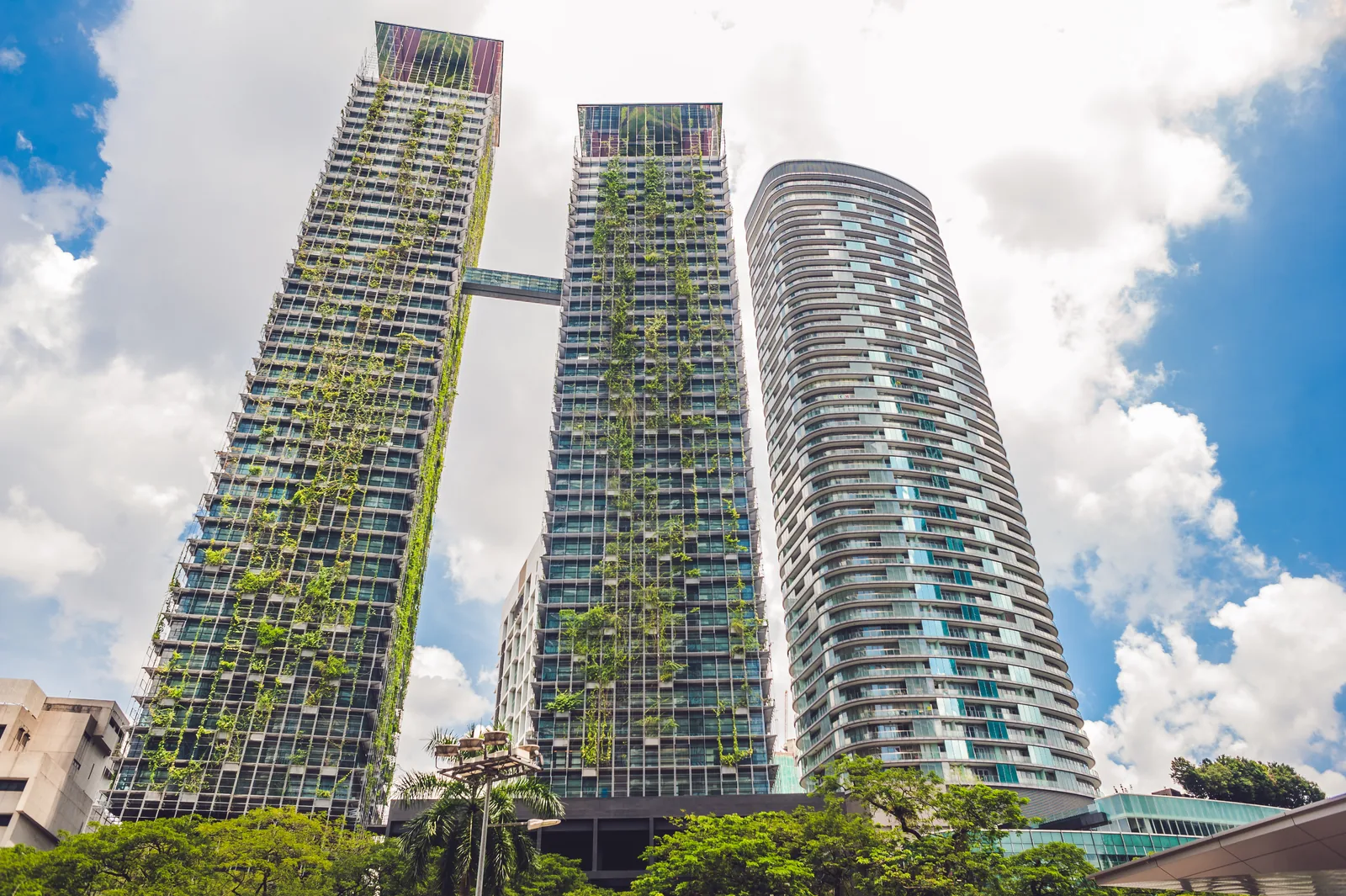
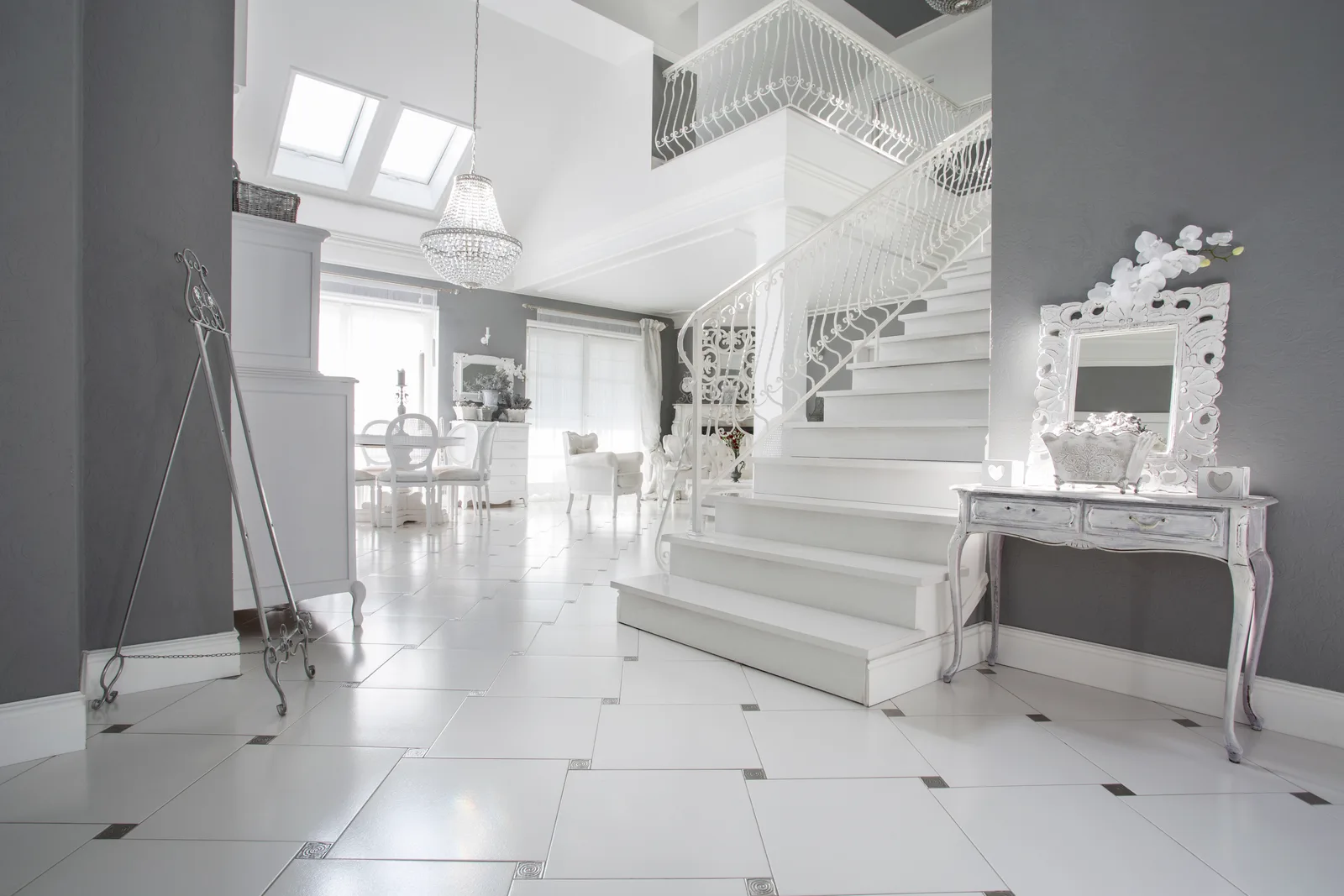
An automotive branded residence is a home built around the car. The marque lends its design language, and often its engineering partners, to a tower or villa where the vehicle is not parked out of sight but placed at the centre of the plan, reached by a car lift and displayed in a glass sky garage. The category clusters in Miami and Dubai, one slice of the wider brand map of luxury real estate. The useful split is whether the brand delivers real engineering credibility or stages the car as spectacle, and, one level below that, who operates the residence after the badge goes up.
What actually splits the automotive brands?
One line runs through the whole category: car-as-showpiece against engineering credibility. Every project here makes the car visible, so the question that separates them is what sits behind the badge. Some marques bring technical discipline or atelier craft to the residence itself. Others lend prestige and scarcity, and the car stays the main event.
Porsche Design and Bentley anchor the credibility end. Porsche Design reads as engineering-first, the most technical brand in the set, and Bentley delivers total-interior coherence through its Italian ateliers, a finished interior rather than a spectacle. Mercedes-Benz sells clean modern design at scale, at one of the lowest entry points in the set. Bugatti sits at the other end, mirroring hypercar scarcity, where the residential ticket is priced like a one-of-few allocation. Aston Martin lands in between, selling sculpted grace and restraint over power. This is the same restrained-versus-maximalist tension that runs through how the fashion houses split restrained vs maximalist, read here as engineering credibility versus showing off the car.
How does the car become the centrepiece?
Through the car lift and the sky garage, the two features that define the category. In Porsche Design Tower Sunny Isles, a car elevator patented by the developer, the Dezervator, carries the car up a glass shaft with the driver still seated inside, to a garage next to the living space, so the resident sees the car from inside the home; 132 units, completed 2017 (Dezer Development). Bentley Residences Miami repeats the idea at 62 storeys, giving every bay and ocean-view apartment a private garage for up to four cars, reached by the same lift system, with completion now guided to 2027 to 2028 (Florida YIMBY).
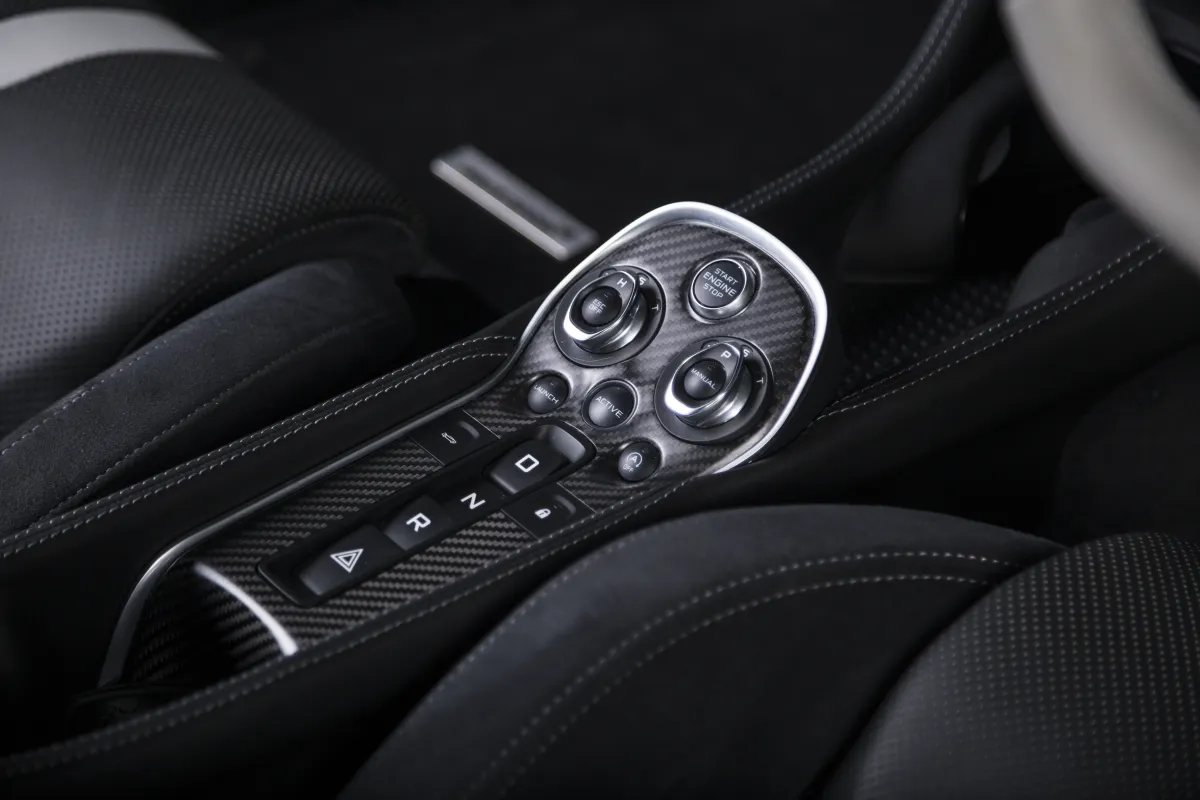
The design language follows the cars. Aston Martin Residences on the Downtown Miami waterfront reads as sculpted motion at rest, 391 units across a 66-storey tower, completed in 2024. Its trophy triplex penthouse, bundled with a rare Aston Martin Vulcan, was revealed at 59 million dollars in 2023 and now carries a 75 million dollar asking price (Robb Report, 2023; Zilbert, 2026). Bugatti Residences by Binghatti brings the marque's obsession to Business Bay in Dubai. In every case the car is the organising idea of the plan, not an amenity bolted on.
Who actually runs the residence after handover?
In most cases the developer, not the car company. The marque licenses its name and design language, then a developer builds the tower and either runs it or appoints a management company. That is the reverse of a hotel-branded residence, where a named hospitality operator runs the building and the service is the product, the same operator question that decides the culinary houses.
The examples are concrete. Mercedes-Benz Places in Brickell is a JDS Development Group project, and its construction financing is now contested: a Cottonwood Group affiliate filed an $80.4M foreclosure suit against the developer in April 2026, which puts the timeline and the delivered service standard in question (The Real Deal). Bugatti Residences and both Mercedes-Benz projects in Dubai are Binghatti developments. Mercedes-Benz licenses its name for those Dubai towers, while Binghatti Developers FZE is responsible for the development, marketing, sales, and operations of each building (Mercedes-Benz Places, Dubai). Porsche Design Tower's signature car elevator was patented by developer Gil Dezer, not Porsche (Dezer Development). For a buyer the practical read is plain: the badge sets the design and the marketing, but the people who run the sky garage and hold the service standard are the developer or its operator, so ask who that is, and what happens to the standard if the developer changes or stalls.
Which automotive residences are confirmed, and where?
Miami and Dubai carry the built and near-built stock, and Marbella has one project, interiors only. The table below sets the marques side by side on what each one brings to the home and why a buyer picks one over another; the project specifics sit in the text around it. Read it as a map of the brands, not a schedule of buildings.
| Brand | Signature project (market) | The car at the centre | Why buyers choose it |
|---|---|---|---|
| Porsche Design | Porsche Design Tower, Sunny Isles, Miami | Car elevator (the Dezervator) lifts car and driver to a sky garage beside the unit | Engineering credibility first, the most technical marque in the set |
| Bentley | Bentley Residences, Sunny Isles, Miami | Private sky garage for up to four cars in every apartment, reached by car lift | Atelier craft and a coherent finished interior rather than spectacle |
| Aston Martin | Aston Martin Residences, Downtown Miami | Sculptural tower in the marque's design language; Vulcan bundled with the top penthouse | Sculpted restraint: the marque's grace read as architecture, not power |
| Bugatti | Bugatti Residences by Binghatti, Business Bay, Dubai | Hypercar scarcity as the positioning | Hypercar scarcity carried into a home, a one-of-few allocation |
| Mercedes-Benz | Mercedes-Benz Places, Brickell, Miami | Design language borrowed from the cars, applied across the whole building | Clean modern design at scale rather than scarcity or spectacle |
Beyond these, Aston Martin has The Astera, an interiors project with Dar Global on Al Marjan Island in Ras Al Khaimah, with handover guided to 2028 (Dar Global). Mercedes-Benz runs two separate Dubai projects with Binghatti, and they are easy to conflate. The first is Mercedes-Benz Places, Downtown Dubai, a single 65-storey tower of 150 residences due in 2026 (Binghatti). The second, and much larger, is officially named Mercedes-Benz Places – Binghatti City at Meydan, a 12-tower masterplan of more than 13,000 residences at $8.2B, the largest branded commitment of any brand in the set (The National). In Europe the category is nearly empty. Bentley is the only automotive marque with a Marbella project, AÍDA, Furnished by Bentley Home, on the Golden Mile, developed by RGZ Developers with Luxury Living Group, and it is Bentley Home interiors only, not a full car-lift building. The separate AÍDA project by Dar Global sits in Oman, and Dar Global's Benahavís development carries Automobili Lamborghini, not Bentley.
What about Lamborghini?
This is where buyers get caught, so state it plainly. There are two separate companies. Tonino Lamborghini is a lifestyle house, with residential projects reported in Dubai and Ras Al Khaimah, and it is legally distinct from Automobili Lamborghini, the carmaker, which partners with Dar Global on the Tierra Viva villas in Benahavís. The name has been contested in court between family members: in a June 2025 Bologna ruling, Tonino Lamborghini prevailed over a cousin, Fabio Lamborghini, in a dispute over unlawful use of the name, not against the carmaker (Tonino Lamborghini, 2025). For a buyer this means the badge alone does not tell you which company stands behind a project, or whether a car-brand pedigree is even involved. We do not treat any Lamborghini-branded Miami tower as confirmed, and we check the entity and the project status before the name earns any weight.
The bottom line
The automotive category is the most literal branded-residence idea on the map: the car comes inside, up a glass lift, into a garage you look at from the sofa. Read it in three moves. First, decide whether you want spectacle, the car on display, or credibility, engineering and craft you can point to in the residence itself. Porsche Design and Bentley lean to credibility, Bugatti to scarcity, Mercedes-Benz to one of the lowest entry points, Aston Martin to restraint. Second, confirm the entity and the project status before the badge earns weight, because a marque name is worth less if the company behind it, or the tower itself, is not what the marketing implies. Third, ask who operates the building after handover, because in this category the service standard is usually held by the developer, not the automaker. Assessing a hypercar-branded residence the way you would a mass-market one is how buyers overpay for the name.
The Brightwill view
At Brightwill, the projects we surface in this category are checked on three questions first: which company actually owns the brand rights, whether the car-lift and garage engineering is delivered rather than rendered, and who carries the service standard once the developer hands over. Unit counts, prices, and completion dates here move quickly, so we treat every figure as indicative until verified, and we flag what is stalled or contested rather than confirmed. Where automotive sits inside the wider picture is set out in our full brand map of luxury real estate.
Arrange a private briefing on the automotive-branded selection →
Brightwill Luxury is a curated access platform, not a brokerage or financial adviser. Unit counts, prices, and completion dates in the branded-residence sector change frequently and are indicative; confirm current figures, the owning entity, and project status before any commitment.