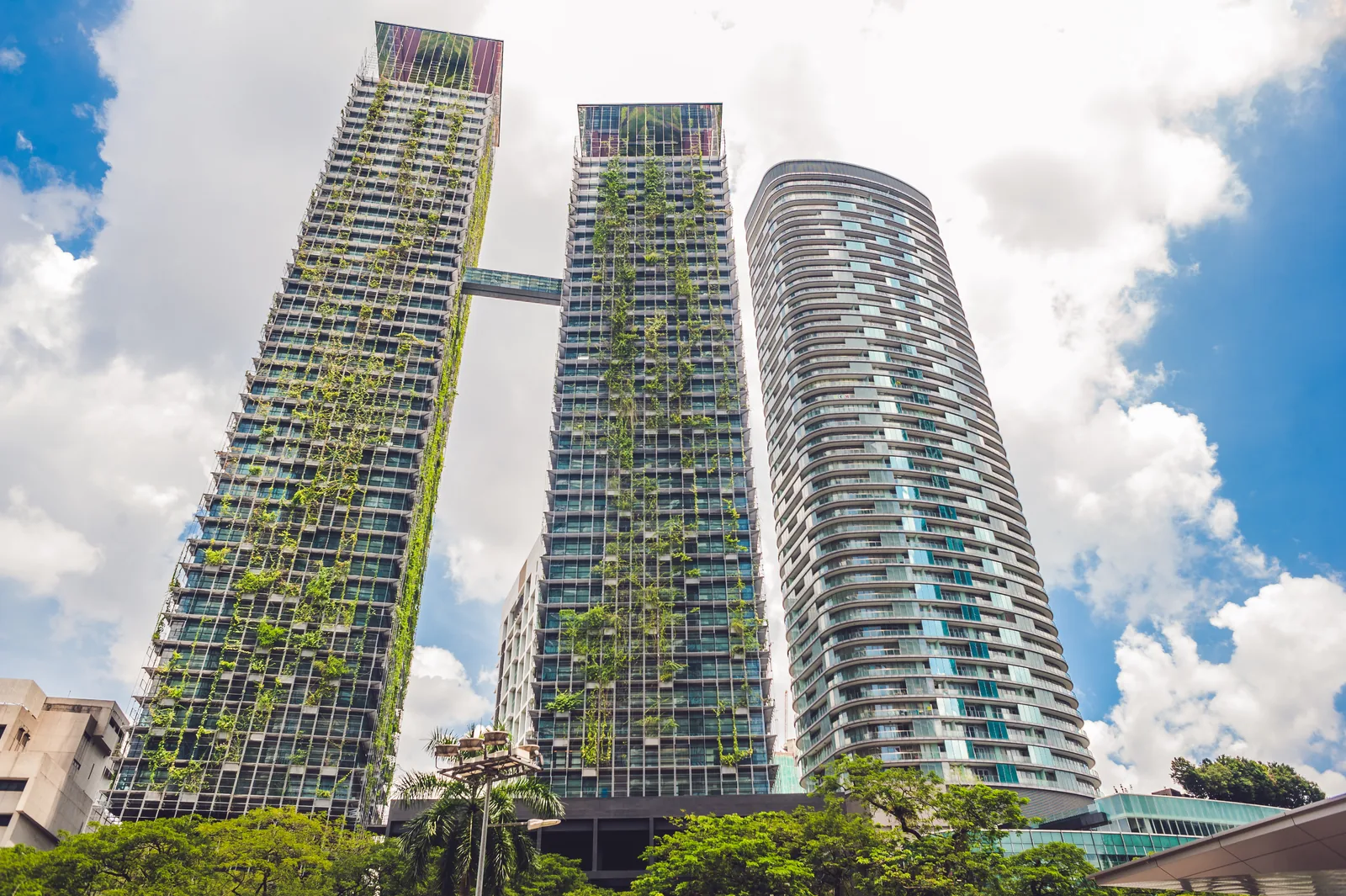
A decade ago, the wellness offer in a luxury residence was a gym and a spa. Sometimes a yoga deck if the developer was paying attention.
In 2026, walk into the lobby of a flagship new build in Miami, Dubai, or Cancún and you are likely to be greeted by a Director of Longevity. Behind them, somewhere in the building, there is a hyperbaric chamber, an IV drip suite, red light therapy beds, contrast pools, and a medical advisory board running annual diagnostic protocols for residents.
This is not a marketing flourish. It is a structural reordering of what luxury residential developers are selling and what HNW buyers are paying for. The Global Wellness Institute now sizes the global wellness real estate market at $876 billion in 2025, up from $151 billion in 2017, with a forecast of $1.8 trillion by 2030. Wellness-focused residential properties at the middle and upper end of the market command a price premium of 10 to 25 percent over comparable non-wellness inventory.
What used to be an amenity floor is now, in the most ambitious 2026 projects, the organising principle of the building itself.
This piece is for two audiences. For end buyers shortlisting a wellness-led residence, it sets out what separates real wellness infrastructure from wellness-flavoured marketing, and the five questions that matter at diligence. For developers, brokers and operators inside the industry, it maps the structural forces driving the category and where the next 36 months of supply are landing.
From amenity to operating environment
The honest definition of a wellness-led residence in 2026 is a building where the wellness programme is the primary architectural concept, not an additional service layer on top of one.
The distinction matters because the language has been widely diluted. Almost every new tower above the $1,500 per square foot mark now claims wellness features. Most do not deliver them in any structural sense.
Five markers separate the real from the cosmetic. They are the questions that any buyer should ask at diligence, and the questions any serious developer should be answering inside the brochure rather than the renderings.
1. Is the wellness operator a brand or a programme?
A wellness brand at the lobby level (a logo, a partnership, a quarterly visit from the founder) is not the same as an operator running the building's wellness programme on a continuous basis. SHA Wellness, THE WELL, Six Senses, Sensei, and Equinox Hotels are all currently entering the residential market through full-operator agreements, not licensing arrangements. The brand at the door is not the question. The question is whether the brand operates the floor.
2. Is the wellness infrastructure in the residence or in the building?
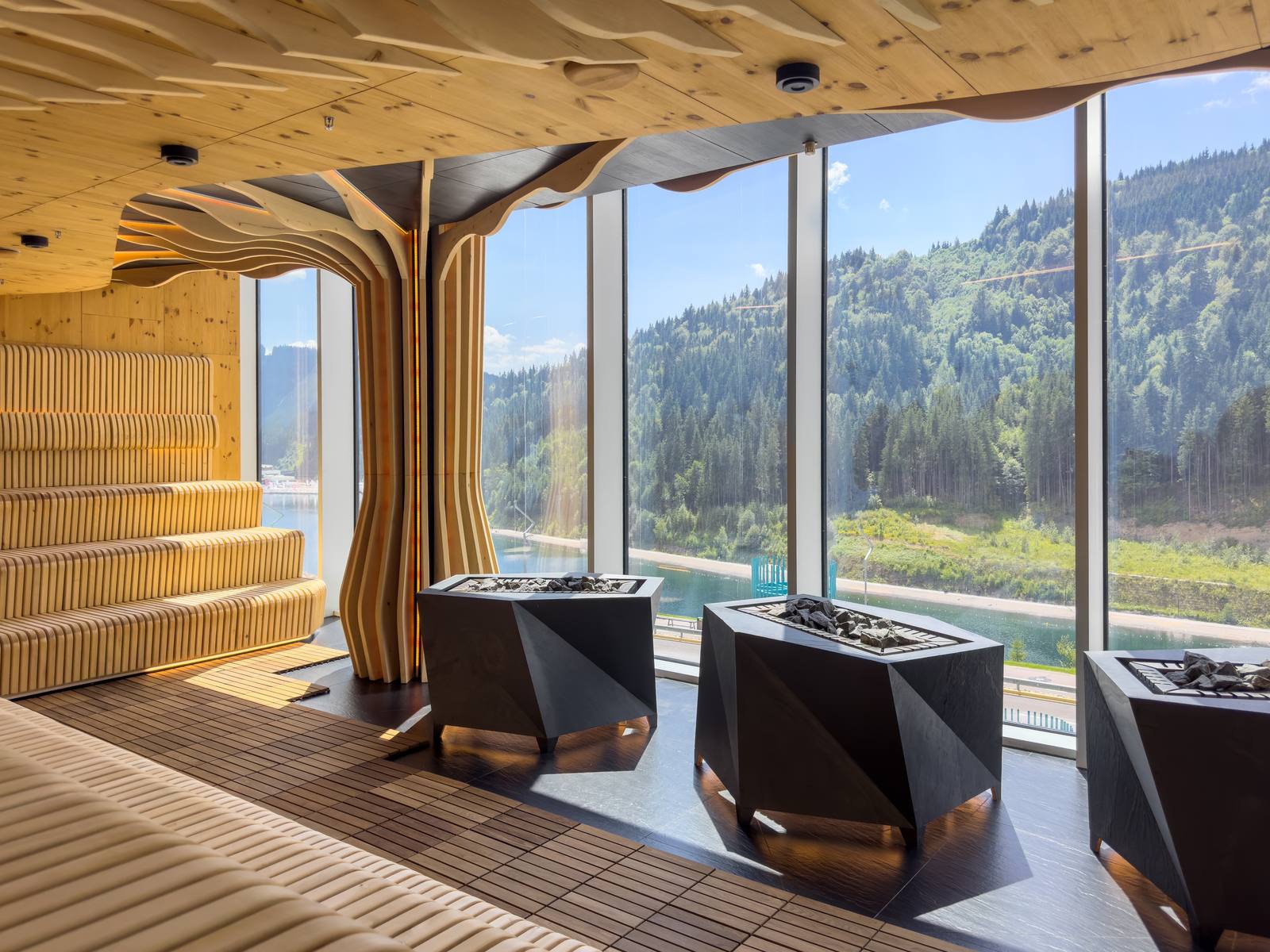
A spa in the basement and a gym on the third floor remain useful, but they are now table stakes. The 2026 generation of wellness-led residences integrates wellness into the home itself: air and water purification systems calibrated below city standards, circadian-aligned lighting in primary rooms, in-residence saunas, red light therapy embedded in primary closets, biometric tracking devices built into the residence specification.
3. Is there a clinical layer, or only a hospitality one?
The serious wellness operators in 2026 have moved past the spa-and-yoga template. They run longevity clinics with diagnostic protocols, IV therapy, hormone optimisation, hyperbaric oxygen, and contrast therapy. Six Senses Palm Jumeirah's residential project includes a 60,000 square foot wellness club with a longevity clinic and a biohacking room. Six Senses Amaala in Saudi Arabia adds cryotherapy, salt rooms, ice baths, and full longevity diagnostics. The clinical layer is what distinguishes a building from a hotel.
4. Who is the Director of Longevity, and what is their protocol?
A handful of residences now name a medical director by title in the sales materials. The good ones publish the protocol that residents are placed on: annual biomarker panels, quarterly sleep and recovery reviews, integration with the resident's personal physicians. The performative ones have a wellness director but no published programme.
5. What is the annual cost, and what does it cover?
Wellness adds operating cost. A serious wellness residence will quote an annual wellness fee separate from HOA in the range of $25,000 to $100,000 per residence depending on programme depth. A residence that markets wellness heavily but charges no specific wellness fee is almost certainly selling amenities, not programming.
These five questions sound dry. They are the difference between paying a 20 percent wellness premium that compounds and paying a 20 percent wellness premium that fades when the next building down the street opens with a more credible operator.
The structural shift behind it
For the industry side of the audience, the wellness reordering is not driven by a single force. Four reinforce each other.
Hotel brands have become a price-of-entry rather than a differentiator. Every major luxury market has dozens of hotel-branded buildings within walking distance of each other; wellness is the next legible layer. The David Sinclair and Bryan Johnson zeitgeist has moved health-span investment from a niche pursuit into a default expectation among HNW buyers under 55, who consistently rank health and quality of life ahead of pure tax efficiency in UBS data. Global Wellness Institute records show the fastest-growing wellness real estate markets from 2019 to 2025 were Italy (+50%), Spain (+46%) and Saudi Arabia (+34%), which is not coincidentally the same map as new branded-residence supply. And the operator economics are different: a building with $50,000 in annual wellness fees per unit is a more durable cash-flow business than a building anchored by a Michelin restaurant on the lobby floor. Wellness is one premium layer among several; for how the broader brand premium works, and when it holds versus fades, see our companion guide, Branded vs Non-Branded Residences: The Premium Decoded.
A warning about wellness washing
The growth is real, and so is the dilution risk. Almost every new tower above the $1,500 per square foot mark now claims wellness features. Most do not deliver them in any structural sense.
The pattern is recognisable. Wellness-flavoured marketing typically pairs spa renderings with a partnership logo, a single named yoga studio brand, and a sentence about "an integrated wellness philosophy." There is no named medical director, no published clinical protocol, no in-residence wellness infrastructure beyond a higher-grade air filter, and no quoted annual wellness fee. The building is selling amenities, not programming.
This matters because the same 10 to 25 percent premium that protects genuinely operator-led residences also attracts the projects that want to claim the premium without funding the programme. For buyers, the diligence questions above are the defence. For the industry, the implication is that resale data will sort the category over the next 24 to 36 months. The operator-led projects will widen their resale price retention over the wellness-flavoured ones, and the dilution will become priced.
A new category: longevity residences
In April 2026, the Global Wellness Institute formally named "longevity residences" as a new sub-category of wellness real estate. The definition: residences designed to support longer, healthier lives through preventive medicine, diagnostics, biohacking, AI-enabled health tracking, and integrated clinical programming.
Most longevity residences are still in planning or early development stages, and most sit firmly in the luxury tier. The category is small now and likely to be one of the most significant supply stories of the next 36 months.
Five projects, five operator models
The most useful way to read the category is to look at five live projects, each expressing a different version of the same thesis. These are the operator structures actually being tested in the 2026 pipeline.
SHA Residences, Costa Mujeres, Cancún - 31 residences only, from $2.4M. The clinical-brand-extends-into-residential model in its purest form. SHA Wellness Clinic is one of the most recognised integrative health institutions in the world, and the residences extend its methodology into permanent ownership: air and water purification, circadian lighting embedded in home automation, in-residence treatments, private consultations with SHA's clinical team, and access to the SHA Owners Club with global exchange privileges in Spain and the UAE. Only 31 residences globally tied to a wellness institution of this standing.

Continuum 12000 Sport & Wellness Residences, North Miami - 263 residences from $1.5M. The developer-becomes-its-own-wellness-operator model. Continuum 12000 has built a 150,000+ square foot wellness campus (The Mermaid Club) without a hotel brand attached. The operator is the developer: no licensing fee, no hotel management overlay, no franchised service standard. Every residence includes a private cedar sauna and a Withings body scanner. The longevity lounge offers red light therapy, biohacking tools, and IV drip beds. The structural insight: an integrated wellness brand can now compete with hotel-licensed product on its own terms.
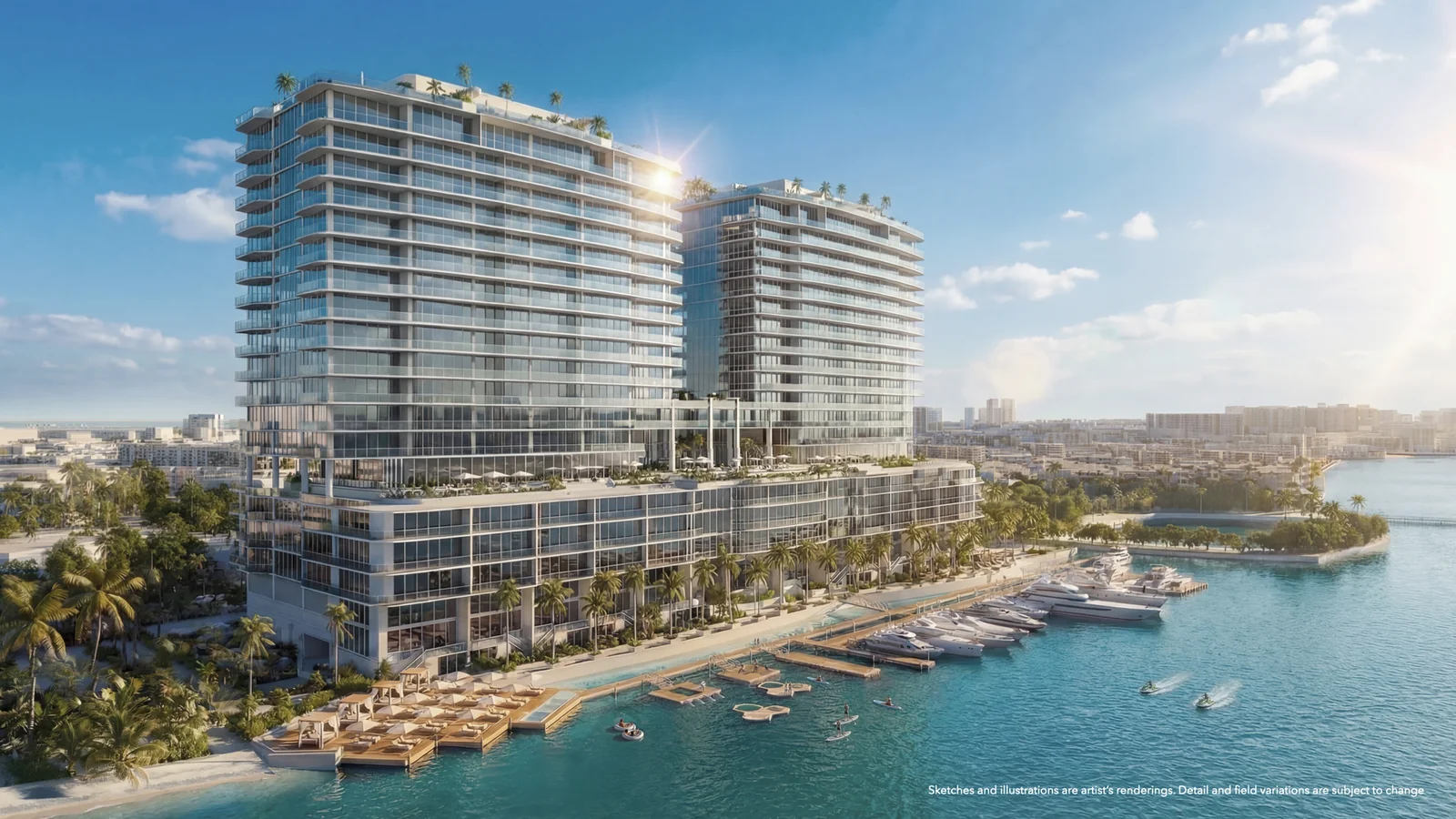
THE WELL Coconut Grove Miami - 194 residences from $1.5M. The wellness-brand-builds-its-first-residential model. THE WELL pairs a 13,000 square foot private Wellness Club with a 40,000 square foot rooftop wellness deck, plus a residence specification that includes red light therapy built into primary closets, aromatherapy systems, and unit-level circadian design. Florida Green Building Silver certification. Meyer Davis interiors, Arquitectonica architecture, Terra as developer.

Banyan Tree Beach Residences Aegir, Bang Tao Beach, Phuket - 10 oceanfront villas only, from $7.7M. The hospitality-brand-with-deep-wellness-DNA model. Banyan Tree pioneered the spa-led resort thirty years ago and remains one of the few hospitality brands whose wellness offer is the primary brand identity. Aegir extends that into a tightly held branded villa collection inside Laguna Phuket: ten 793 square metre villas, direct beachfront, full resort wellness infrastructure, and Banyan's global owner programme.
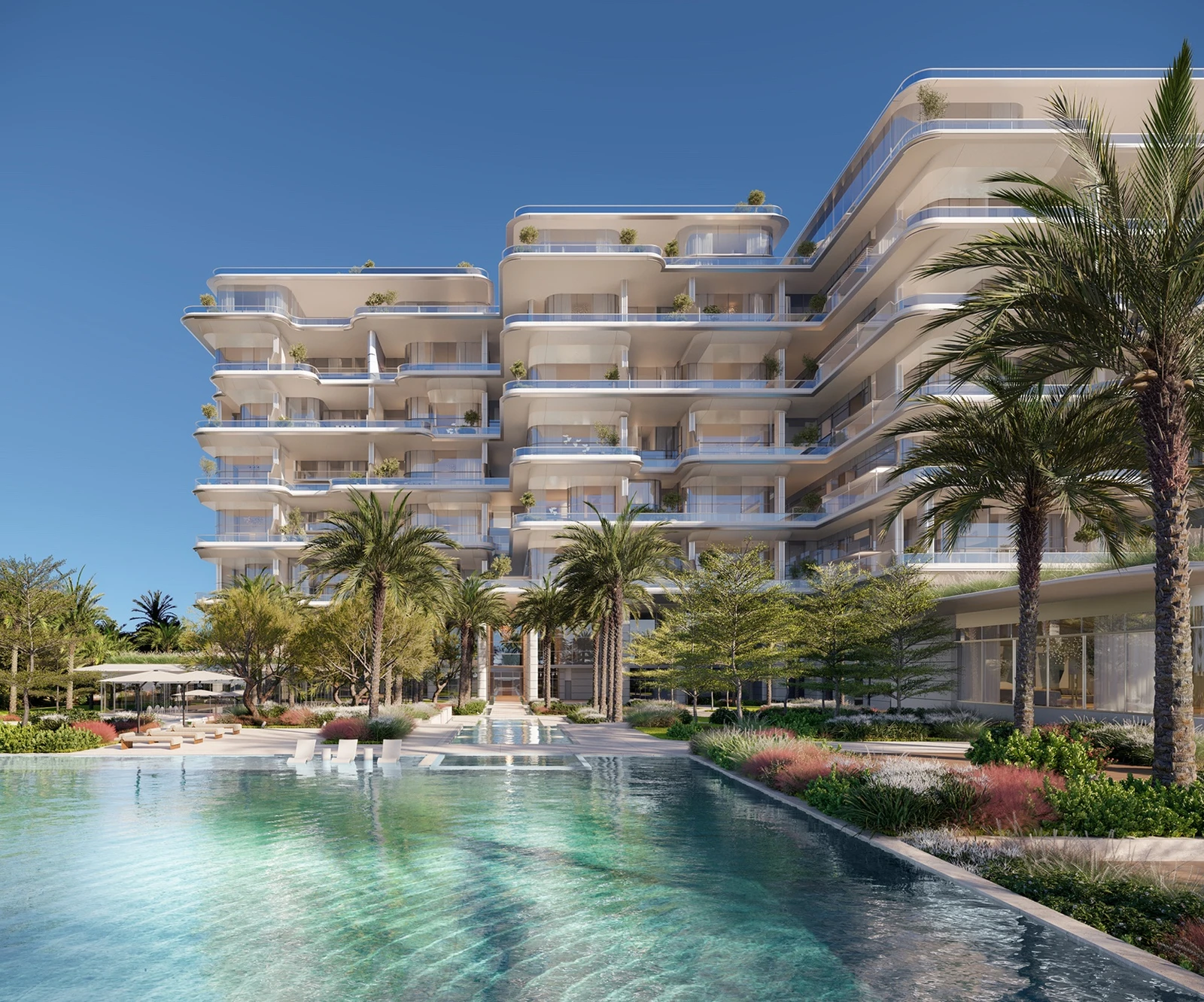
ORLA, Dorchester Collection, Dubai, Palm Jumeirah - 89 total residences from $6M. The legacy-luxury-brand-evolves-toward-wellness model. ORLA is the Dorchester Collection's residential debut, 14 storeys on Palm Jumeirah's crescent with Foster + Partners architecture and Dorchester-managed service. The Palm Jumeirah cluster is rapidly becoming Dubai's longevity-led residential district; Six Senses' new Palm project, with the 60,000 square foot longevity clinic referenced above, sits immediately adjacent.
Each represents a different bet on which operator structure wins the next decade. The honest answer is that all five have a credible thesis, and a sophisticated portfolio is likely to hold more than one.
Does the premium hold?
The investment question that matters: is the wellness premium structural or cyclical?
Three pieces of evidence point structural. First, the Global Wellness Institute's 5.2x forecast growth from 2017 to 2025 is now extending into a further 2x to 2030, which implies the category is moving from emergent to mainstream rather than peaking. Second, the demographic curve is durable: HNW buyers under 55 are the fastest-spending cohort on personal health, and they are the generation forming primary residence preferences now. Third, the supply discipline matters. Genuine wellness-led residences are bounded by the availability of credible operators, not by capital. SHA, THE WELL, Six Senses, Sensei, Equinox, and a handful of others can only enter so many projects. The premium is protected by the scarcity of the operator pool more than the scarcity of the land.
The risk is that the language is debased before the category fully forms. Once every developer is marketing wellness, buyers will need to apply the five diligence questions above more aggressively, and the genuinely operator-led residences will pull away from the cosmetic ones. That is already happening at resale: in the US wellness-residence segment, projects with a published medical operator and a credible clinical programme are commanding noticeably stronger resale price retention than projects with a wellness logo and no programme behind it.
The bottom line
Wellness-led luxury residences are not a marketing trend. They are a category formation event, and 2026 is the year the category is being defined.
For end buyers, the right question to ask of any wellness-led residence is not how impressive the spa renderings are. It is whether there is an operator running a programme, whether the wellness infrastructure is in the residence as well as the building, whether there is a clinical layer, who the medical director is, and what the annual cost is. These five questions will sort the category for the next decade.
For the industry, the structural opportunity is clear, and the structural risk is equally clear. The opportunity is a 10 to 25 percent price premium with a 2 to 3x growth forecast and operator-led scarcity protecting it. The risk is that the category dilutes faster than it consolidates. The 2026 to 2028 window is when the credible operator-led projects will establish themselves at resale, and after which it will become significantly harder for new entrants to claim the wellness premium without a verifiable operator behind them.
At Brightwill, the projects we surface in this category are selected with the operator question answered first. SHA Residences, Continuum 12000, THE WELL Coconut Grove, Banyan Tree Aegir, and ORLA Dorchester Dubai each represent a different expression of wellness-led ownership, with the operator structure verified at intake.