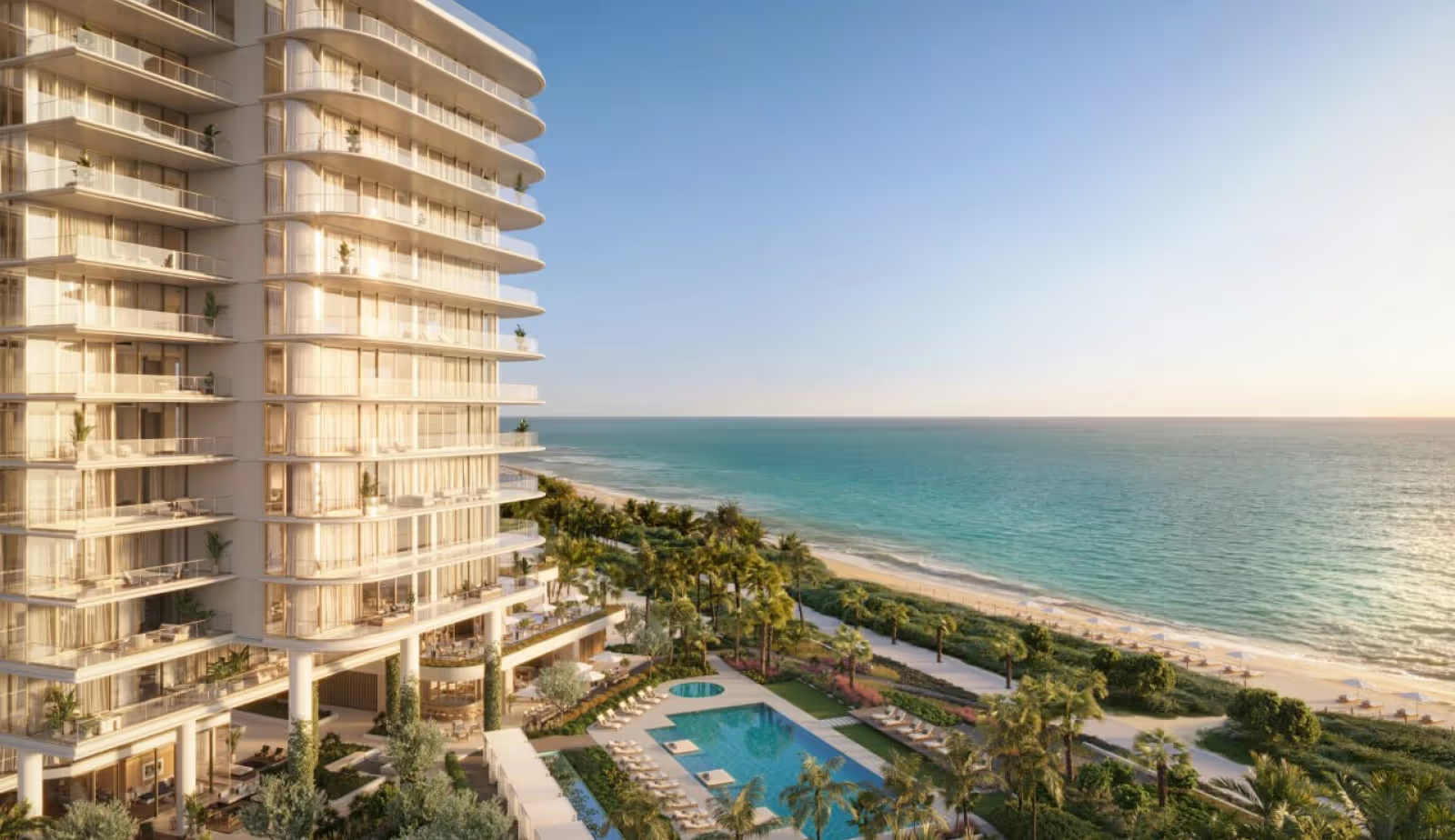
Saadiyat Island is Abu Dhabi's most expensive address. It did not get there by building towers. It got there by building museums.
Dubai built spectacle first and added culture later. On Saadiyat, Abu Dhabi did the opposite. It hired some of the world's leading architects to design a cultural district, then let homes follow. Today the island holds the emirate's record sales, its highest villa prices and a museum quarter few cities can match.
This guide explains how the address was built, what it costs now, and who it suits. For the wider market, see our Abu Dhabi real estate page and our guide to luxury real estate in the UAE.
Key facts at a glance
- Saadiyat is a freehold area. Buyers of all nationalities can own homes outright.
- The most expensive home ever sold in Abu Dhabi is on Saadiyat: AED 400 million, in July 2025.
- Villa prices averaged about AED 26,500 per square metre in the first half of 2026, up about 8% in a year.
- Guggenheim Abu Dhabi opens on 11 December 2026, joining the Louvre Abu Dhabi and three other museums.
- The property registration fee in Abu Dhabi is 2%, half of Dubai's 4%.
- A home worth AED 2 million or more can qualify for the 10-year UAE Golden Visa.
Culture first, homes second
Most luxury islands start with villas and a beach club. Saadiyat started with a museum plan.
The Louvre Abu Dhabi opened in 2017. Zayed National Museum and the Natural History Museum Abu Dhabi followed in late 2025. teamLab Phenomena added a digital art space. A single walkway now links the museums of Saadiyat Cultural District.
The final piece arrives on 11 December 2026, when Guggenheim Abu Dhabi opens. It will be the largest museum in the Guggenheim network, bigger than New York, Bilbao or Venice. A further arts venue, Dar Al Funoon, is planned beside the district for 2030.
This order matters for buyers. The museums are permanent and government-built. They fix the character of the island in a way a hotel or a mall never could.
The architects who made the address
Saadiyat reads like a short list of the world's leading architects.
- Jean Nouvel designed the Louvre Abu Dhabi. Its vast steel dome filters sunlight like palm leaves, a "rain of light" over a museum set in the sea.
- Foster + Partners designed Zayed National Museum. Its five wing-like towers now shape the skyline of the district.
- Frank Gehry designed Guggenheim Abu Dhabi, his largest museum.
- Bjarke Ingels Group (BIG) is designing homes that answer the museums. The Row Saadiyat brings seven low buildings of nine floors, with 315 homes in its first phase. BIG is also designing Mandarin Oriental Residences beside Zayed National Museum.
Here the homes take their cue from the museums, not the other way round. BIG's buildings stay low and curve towards the museum views. The result is a district designed as a whole, not a collection of towers competing for attention.

Saadiyat's residential districts
Saadiyat is not one neighbourhood. It is several, each with its own character.
- Saadiyat Beach. The island's original residential heart. Villas and apartments set around the beach and the golf course, including Saadiyat Beach Villas, Jawaher Al Saadiyat and HIDD Al Saadiyat. This is where the island's largest villas and record sales sit.
- Saadiyat Cultural District. The newest wave of homes, within walking distance of the museums. Saadiyat Grove, a retail and dining destination opening in Q4 2026, will add more than 1,000 homes, including several branded residences.
- Mamsha Al Saadiyat. A beachfront promenade of low-rise apartments, townhouses and penthouses next to the Cultural District. Newer phases include Mamsha Gardens and Mamsha Palm, designed by Koichi Takada.
- Saadiyat Lagoons and Saadiyat Reserve. Villa communities set around mangroves, green spaces and nature, aimed at families who want space.
Branded residences run through all of them. Nobu, Mandarin Oriental and the Louvre Abu Dhabi name now appear on Saadiyat homes. For how chef-led brands work in property, see our guide to culinary branded residences.
What the numbers say
The records tell the story of an address that has arrived.
- In July 2025, an eight-bedroom beachfront mansion at Faya Al Saadiyat sold for AED 400 million. It is the most expensive home ever sold in Abu Dhabi. The gated community holds just 21 homes.
- A penthouse at Nobu Residences sold for AED 137 million in 2024.
- In March 2026, a villa in HIDD Al Saadiyat sold for AED 88 million, the highest ready-home sale of its week.
The wider market backs this up. Saadiyat recorded about AED 13.3 billion in sales in the first half of 2026. Average villa prices reached about AED 26,500 per square metre, up about 8% year on year.
Abu Dhabi as a whole is having a record year. Total real estate transactions rose 112% year on year to AED 117 billion in the first half of 2026.
Who is buying? On Aldar's figures for the first half of 2025, 86% of Saadiyat buyers were expatriates. Some 40% did not live in the UAE at all.

Saadiyat vs Palm Jumeirah
Buyers who know Dubai often ask how Saadiyat compares with the Palm. They do different jobs.
| Saadiyat Island | Palm Jumeirah | |
|---|---|---|
| Setting | Natural beaches, mangroves, museum quarter | Man-made island, hotels and beach clubs |
| Density | Low-rise, spread out | Higher, with towers on the trunk |
| Pace | Quiet, residential | Busy, international, resort energy |
| Anchor | Museums and nature | Hotels, nightlife and dining |
| Liquidity | Smaller market | Deeper resale market |
| Best for | Families, long holds, culture-led buyers | Lifestyle buyers, rental investors, faster resale |
Neither is better in general. The right choice depends on how you want to live and how long you plan to hold. Our guide on trophy-asset scarcity explains why limited land tends to support prices at the top of a market.
Buying on Saadiyat as a foreigner
Saadiyat is one of Abu Dhabi's freehold investment zones. Buyers of any nationality can own homes outright, with full rights to sell, rent or pass them on.
Costs are lower than in Dubai. Abu Dhabi charges a property registration fee of 2% of the price. It is usually split 1% each between buyer and seller, although the contract can put it all on one side. Dubai charges 4%.
There is no annual property tax, and individuals pay no UAE tax on rent or on gains when they sell. A home worth AED 2 million or more can qualify for the 10-year Golden Visa, including off-plan homes. See our golden visa guide for how residency through property works.
The wider process is similar across the UAE: proof of funds, a sale agreement, a deposit and registration of the transfer. Our guide to buying in Dubai as a non-resident covers the steps, the loan limits and the blind spots in detail.
Who Saadiyat suits, and who it does not
It suits:
- Families who want beaches, space and good schools nearby.
- Buyers who value culture and quiet over nightlife.
- Long-term holders who want an address protected by limited land and permanent institutions.
It suits less well:
- Buyers who want a busy social scene on the doorstep.
- Investors who need fast resale. The market is smaller and less liquid than Dubai's prime districts.
- Buyers looking for quick gains on off-plan flips.
The Brightwill view
Saadiyat's value case is simple. Beachfront villa land is close to used up. The cultural district is now complete, and its museums are permanent. That combination is rare anywhere in the world, let alone in a market as young as the UAE.
What you are buying here is not a view of a skyline. It is a place in a district that was planned around culture from the start. For buyers with a long horizon, that is the point. We make no return projections, but scarcity and permanence are the two things that tend to hold value best at the top of a market.
Considering Saadiyat Island?
Our Private Advisory team connects you with a vetted Abu Dhabi partner - from the first viewing to the title deed. Speak to an advisor
This article is for general information only. It is not investment, legal or tax advice. Prices and rules change - always confirm with independent advisors before you buy.